Skip to content

How Has Goth Culture Changed in the Digital Age?
Goth culture has changed by becoming easier to find, faster to copy, and harder to define. The internet has taken a scene once passed through clubs, record shops, zines, mixtapes and older goths with terrifyingly good record collections, and pushed it through streaming platforms, image feeds, video edits, online shops and algorithm-led style tribes.
That is both good and messy.
The digital age has made goth more accessible, more global and more visible. It has also blurred the line between goth as a music-led subculture and goth as a look that can be posted, tagged and sold before anyone has heard a bassline. Trad goths have been muttering about this for years. Annoyingly, they are not entirely wrong.
Key Takeaways
- Goth has moved from local scenes to global online networks, making it much easier for people to find music, fashion advice, events and community.
- Music discovery has shifted from clubs, record shops and word of mouth to streaming, YouTube, Bandcamp, playlists and social media.
- Goth fashion now spreads through selfies, tutorials, outfit videos and microtrends, which has made the style more visible but easier to flatten.
- Online platforms have helped younger goths, isolated goths and goths outside big cities find a place in the culture.
- The main tension is simple: the internet has made goth easier to enter, but also easier to reduce to black clothes and eyeliner.

Photo by cottonbro studio from Pexels: https://www.pexels.com/photo/a-woman-looking-afar-5473955/
What Was Goth Culture Like Before the Internet?
Before the internet, goth culture was local, social and slower. You found it through record shops, clubs, zines, friends, flyers, gigs and patient stalking of the alternative section in HMV. This was character-building, though mostly because it involved public transport and disappointment.
Goth developed from punk and post-punk scenes in the late 1970s and early 1980s, with bands such as Bauhaus, Siouxsie and the Banshees, The Cure, Joy Division, Christian Death and Sisters of Mercy becoming central reference points. Encyclopedia.com places goth’s roots in the post-punk scene, while Post-Punk explains why The Batcave became one of London’s best-known early goth spaces. Goth was never created by one venue, one band or one eyeliner tutorial. That would have been too tidy, and goth has never been fond of tidy.
That mattered because early goth culture was shaped by physical spaces. You had to go somewhere. A club night. A gig. A shop. A friend’s bedroom with a stack of records and one chair nobody was allowed to sit on.
The music came first. The fashion grew around it. The look borrowed from punk, glam, horror, Victorian mourning dress, Gothic fiction and old film stills. Gothic literature is part of the shadow behind the sound.
This slower pace made the scene harder to enter, but it also gave it weight. You learned by listening. You copied badly, improved, found your people, then developed your own version of the look. There was no For You page to approve the fit.
How Did the Internet First Change Goth Culture?
The early internet gave goths a way to find each other without needing a nearby club. Forums, message boards, LiveJournal, MySpace, personal blogs and online zines created new meeting places for people who had the music taste but not the postcode.
This was a major shift. A teenager in a small town no longer had to wait for a sympathetic older cousin to hand them a Cure CD. They could search band names, read scene histories, order clothes online and talk to people who knew the difference between goth, industrial, metal and emo. The tone of those conversations was not always warm, but it was educational. Sometimes education arrives wearing a PVC coat and correcting your playlist.
MySpace was especially important for alternative music culture because bands could build pages, share tracks, post gigs and connect directly with fans. Later, YouTube made music videos, live footage and rare tracks much easier to access. A song that once required a lucky second-hand find could suddenly appear after three searches and a questionable upload title.
This changed the role of the older goth. Before, elder goths were living archives. Online, the archive became searchable. That did not remove gatekeeping, but it changed the job. Instead of guarding access, long-time scene members increasingly became curators, critics and tired comment-section firefighters.
Has Goth Music Changed in the Digital Age?
Goth music has become easier to hear and easier to miss. That sounds contradictory, but it is the digital age in one neat little coffin.
Streaming has made the back catalogue of goth, post-punk, darkwave, deathrock and coldwave far more accessible. IFPI reported that streaming made up 69.6% of global recorded music revenue in 2025. For goth listeners, that means the entry point is no longer a record shop or club DJ. It may be a playlist, a YouTube recommendation, a TikTok sound, a Bandcamp tag or a Discord link.
That access is brilliant for listeners. It is also a mixed blessing for depth. Streaming encourages sampling. People can skim across decades in an hour, grabbing the surface mood without sitting with a record long enough for it to properly ruin their afternoon.
Bandcamp describes itself as an online record store and music community where fans can discover, connect with and support artists. For modern goth and darkwave scenes, that matters. Small labels, bedroom producers and underground bands can reach international listeners without needing a major label, a London address or a manager called Nigel.
The result is a strange split. Goth music is more available than ever, yet the most visible online version of goth is often style-led. A newcomer may find the lipstick before the bassline. That is not a crime. It is just incomplete.
If the music side needs grounding, goth icons are still a useful starting point.

Photo by Trarete from Pexels: https://www.pexels.com/photo/portrait-of-a-young-woman-with-projection-on-her-face-8597328/
How Has Social Media Changed Goth Fashion?
Social media has turned goth fashion into a visual language that travels at speed. In the past, people built looks from club photos, band sleeves, magazine spreads, charity shops, DIY, and whatever black clothing survived the wash. Now the look moves through outfit reels, makeup tutorials, TikTok transitions, Instagram grids, Pinterest boards and Depop listings.
This has made goth style more visible. It has also made it more fragmented. Trad goth, romantic goth, corporate goth, nu goth, pastel goth, cyber goth, whimsigoth and assorted “clean goth” experiments now sit beside each other online as searchable labels. Some are long-standing branches of the culture. Some are internet aesthetics with goth seasoning. Some are just black trousers with branding. The bar is not always high.
The upside is access. People can learn makeup techniques, find size-inclusive clothing, study DIY jacket projects and connect with sellers making small-run accessories. People who used to feel stranded can now build a look with references from London, Mexico City, Berlin, São Paulo, Seoul and Manchester before breakfast.
The downside is speed. A style can be copied before it is understood. A culture that once took years to absorb can be turned into a 12-second outfit change. The camera rewards drama, symmetry, novelty and clean visuals. Goth, at its best, is stranger than that.
If you want the visual language without flattening it, goth symbols are a better starting point than whatever the algorithm is pushing before lunch.
Has TikTok Changed What People Think Goth Is?
TikTok has changed goth by making the culture more visible to people who might never have found it otherwise. It has also made the argument about “what counts as goth” louder, shorter and more repetitive. A remarkable number of cultural disputes now happen between people filming themselves in bedrooms. History is not always dignified.
A Bowling Green State University project published in 2024 looked at how social media now shapes how newcomers understand goth status, music, style and community. That fits what anyone watching the platform can see: goth is now explained, performed, debated and policed in public.
TikTok rewards strong visuals and quick identity signals. That can be useful. A baby bat can learn band names, see outfit ideas and find other goths quickly. But the platform also encourages compressed definitions. “Goth is music-based” becomes a slogan. “Goth is self-expression” becomes another slogan. Both contain truth. Neither is enough on its own.
The best digital goth content still points back to records, scenes, art, books, club nights and DIY. The weaker stuff turns goth into a costume category. Black outfit. Heavy eyeliner. Moody caption. Done.
Not done.
Has the Digital Age Made Goth More Inclusive?
Yes, in practical terms. Digital spaces have made goth easier to access for people outside major cities, people with disabilities, people without local alternative venues, people in conservative towns, and people who are still working out where they fit. The old model relied heavily on geography. The new one relies heavily on search, feeds and community spaces.
That change matters. Goth has always attracted people who felt out of step with mainstream culture, but pre-digital scenes could still be socially narrow. If your town had no goth night, no alternative shop and no other visible goths, the culture could feel like something happening somewhere else.
Online spaces changed that. They gave people music lists, makeup help, buying guides, event information, peer support and proof that they were not alone. For many, that first online contact is the bridge into real-world gigs, clubs and friendships.
It has also made representation more visible. Goths of colour, queer goths, disabled goths, plus-size goths and older goths can share their looks and experiences directly rather than waiting for mainstream media to notice them without making it weird. Mainstream media has a gift for making it weird.
This does not mean online goth spaces are free from racism, sexism, body shaming, class snobbery or dull little hierarchy games. They are human spaces, so of course they come with human problems. Still, wider visibility has made it harder to pretend goth only looks one way.
The culture is stronger when the door is open and the music is playing. Goth ethics explains why that openness is part of the culture, not a decorative add-on.

Photo by cottonbro studio from Pexels: https://www.pexels.com/photo/a-woman-typing-on-keyboard-5473314/
Has Digital Culture Made Goth More Commercial?
Completely. Goth style is now much easier to package, sell and repeat. Fast fashion brands, beauty companies and trend forecasters can spot dark aesthetics, strip them down to saleable parts, then push them into mainstream fashion cycles.
This is not new in principle. Alternative culture has been borrowed by the mainstream for decades. The difference now is speed. Digital platforms can take a niche look from subcultural signal to shopping category very quickly. Pinterest has pointed to renewed interest in after-dark beauty, jet black nails, romantic goth hairstyles and smudged kohl smoky eyes, while Allure has tracked the return of softer goth beauty looks through TikTok and wider fashion culture.
That can be good for availability. It is easier to buy black lipstick now than it was in 1986. It is also easier to buy a weak imitation of a subculture from a brand that would have asked security to follow you around the shop thirty years ago.
The best response is not purity panic. It is better taste. Buy from small makers. Support bands. Go to nights. Repair clothes. Use second-hand pieces. Add patches, pins, jewellery and details that mean something to you. Goth was never meant to look like it came straight out of a warehouse.
Has the Internet Weakened Goth Gatekeeping?
The internet has weakened old gatekeeping and created new gatekeeping. Very efficient. Very annoying.
In older scenes, gatekeeping often came from access. Who knew the bands? Who went to the nights? Who had the records? Who had the confidence to stand in a club looking like a haunted lampshade and call it fashion?
Online, knowledge is easier to find, so the old barriers are lower. That is healthy. Nobody should need to pass an oral exam on 1980s drum production before wearing black.
But online culture has built new barriers. People argue over labels, playlists, politics, shopping habits, makeup, body type, race, age and whether a specific microstyle is “real goth” or just algorithm bait. Some of that debate is useful. Goth is music-led, and saying so protects the culture from becoming a vague gloomy moodboard. Some of it is just people using cultural purity as a hobby because houseplants were too calming.
A good rule is this: gatekeeping that points people to the music, history and community can be useful. Gatekeeping that humiliates newcomers is just bad manners with better boots.
For related myths, goth misunderstandings covers the usual nonsense.
Has Goth Become More Visual Than Musical?
Online, yes. In the culture itself, not necessarily.
The most visible version of goth online is visual because social media is visual. A striking face, dramatic hair, layered black clothing and a good camera angle travel faster than a coldwave bassline. This does not mean music has stopped mattering. It means music is less visible in the feed.
That is the trap. People mistake visibility for importance.
Goth remains music-led because the shared cultural spine still comes from sound: post-punk, goth rock, deathrock, darkwave, coldwave and related scenes. The fashion has power because it points back to that wider atmosphere. Without the music, the look loses much of its charge. It becomes dark styling, which can still be good, but it is not quite the same thing.
Still, it would be lazy to dismiss online goth as fake. Many people start with the look and then find the music. That has always happened. A dramatic outfit can be an entry point. The problem is not the order. The problem is stopping at the outfit.
The better path is simple. Wear the clothes. Then listen to the records.
How Has Online Shopping Changed Goth Style?
Online shopping has widened access to goth clothing, jewellery, patches, pins, boots, cosmetics and band merch. It has also reduced dependence on local shops. That matters for people outside cities, but it has changed the culture’s texture.
Older goth style often came from making do: charity shops, army surplus, altered jackets, dyed clothes, old lace, DIY accessories and whatever could be turned black without setting off the smoke alarm. Online retail means people can now buy a complete look more easily. That can be useful, especially for basics and sizing. It can also make personal style feel too neat.
The strongest goth looks still have signs of life. A jacket with patches added over time. Jewellery that does not match too politely. Boots that have seen a pavement. A bag full of gig flyers, lipstick and mild structural damage.
Digital buying is not the enemy. Passive consumption is. The trick is to use online access without losing the DIY impulse that gave goth its teeth.
Goth subcultures are a good reminder that there has never been one approved uniform.
Have Goth Events and Clubs Become Less Important?
No. If anything, physical spaces matter more now because so much of culture has moved online.
Digital goth spaces are useful for discovery, learning and connection. But clubs, gigs, festivals and meet-ups do something a screen cannot. They turn culture into atmosphere. You hear the music at full volume. You see how people move. You notice the details that never make it into outfit photos. You learn that goth is not just a look; it is a room, a sound system, a crowd, a shared cigarette area, and somebody requesting “Lucretia My Reflection” with the seriousness of a legal filing.
Offline spaces also correct the distortions of online culture. Real goth scenes are usually messier, funnier and less polished than social media suggests. Good. Polish is overrated.
Digital culture can bring people to the door. The night itself still does the proper work. Goth events are where the online version has to meet the speakers, the smoke machine and the awkward queue for the toilet.
What Has Goth Gained in the Digital Age?
Goth has gained reach, access, archives, visibility and speed.
More people can find the music. More people can see themselves represented. More people can learn about the history. More bands can release music without waiting for industry approval. More small makers can sell to customers outside their local area. More isolated people can find community before they find a club.
The digital age has also preserved huge amounts of scene history. Old performances, interviews, scans, playlists and photos now circulate in ways that would have seemed impossible to earlier generations. The archive is imperfect, but it is there.
That is a real gain. Goth has always been good at recycling the past. The internet gave it a much bigger attic.
What Has Goth Lost in the Digital Age?
Goth has lost some slowness, some mystery and some local texture.
The old scene was not better in every way. It could be snobbish, inaccessible and limited by geography. But it did make people spend time with the culture. You had to search harder, listen longer and learn from people face to face. That created depth.
Digital culture can make everything feel instant. Identity becomes a tag. Style becomes a checklist. Music becomes background audio. The feed can make goth feel like a set of purchasable cues rather than a culture built through sound, art, friendship and stubborn refusal to look normal.
The answer is not nostalgia. Nostalgia lies, then charges entry. The answer is care. Listen properly. Read. Support artists. Go out when you can. Make things. Talk to people. Let the culture take time.
So, Is Digital Goth Still Goth?
Digital goth is still goth when it stays connected to the music, history, values and community that made the culture mean something in the first place. A goth outfit posted online can be part of the culture. A TikTok explaining darkwave can be part of the culture. A Bandcamp purchase from a small deathrock band can be part of the culture. A local club night promoted through Instagram can absolutely be part of the culture.
But goth cannot be reduced to a filter, a shopping list or a lip-sync in black lipstick.
The digital age has not killed goth. It has made goth louder, wider, faster and more visible. It has also made it easier to misunderstand. That is the trade.
The cure, as usual, is to listen to The Cure. Then listen to the bands that came after. Then go outside, preferably after sunset.
For how goth has shaped wider culture, goth influence takes the long view.
Build the look properly
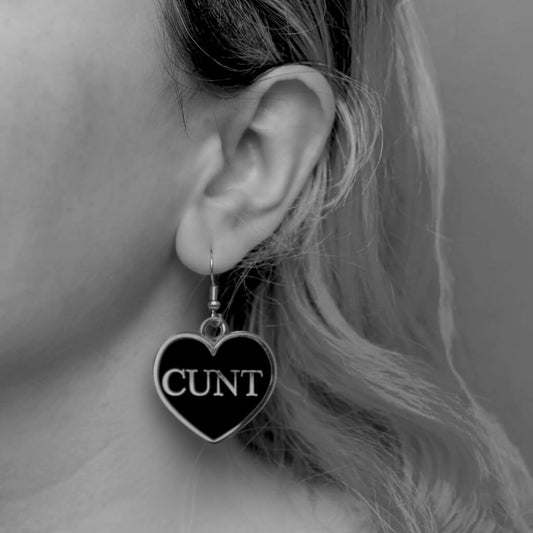
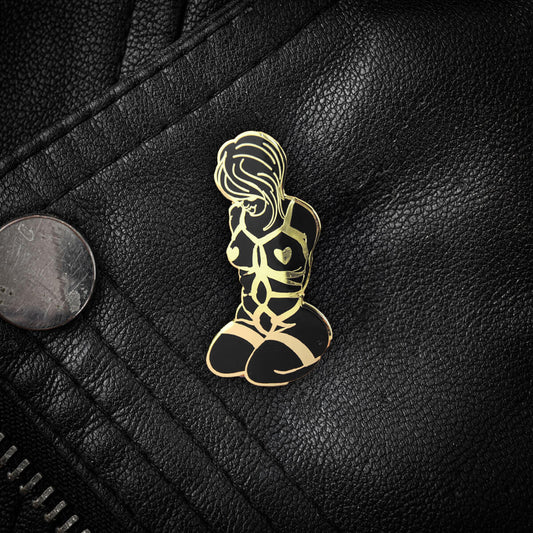
Digital goth can start on a screen, but it gets better when it leaves one. Patch the jacket. Pin the bag. Add something sharp to the outfit that says more than “the algorithm suggested this.” Browse our gothic patches, gothic pins, gothic earrings, or mix a few pieces from our 3 for £12 accessories. The internet can show you the look. The details make it yours.
FAQs
Did the Internet Make Goth More Popular?
Yes. The internet made goth easier to find, especially for people outside large cities or established alternative scenes. Search engines, forums, social media, streaming and online shops gave newcomers access to music, fashion, events and community without needing a local goth scene first.
Is Goth Still a Music-Based Subculture?
Yes. Goth is still rooted in music, especially goth rock, post-punk, darkwave, deathrock and related styles. Fashion is a huge part of the culture, but the look developed around the music. Without that connection, it becomes goth-inspired fashion rather than goth culture.
Has TikTok Helped or Harmed Goth Culture?
Both. TikTok has helped newcomers find goth music, makeup, outfits and community. It has also compressed goth into short visual clips, which can make the culture look shallower than it is. The platform is a doorway, not the whole house.
Why Do People Argue About “Real Goth” Online?
People argue because goth has a real history and a music base, but it also has a powerful visual style that gets copied by mainstream fashion. Some gatekeeping protects the culture from being flattened. Some of it just scares off newcomers who might have become part of the scene with a little guidance.
Is Modern Goth Different From Trad Goth?
Modern goth is wider, more digital and more fragmented. Trad goth usually refers to the classic look and sound linked to the early goth scene, especially 1980s goth rock and post-punk. Modern goth can include newer darkwave, online style communities, DIY fashion, hybrid looks and global influences.
Has Online Shopping Changed Goth Fashion?
Yes. Online shopping has made goth clothing and accessories easier to buy, especially for people without local alternative shops. It has also made some outfits look more uniform. The best goth style still benefits from DIY, second-hand finds and personal details built over time.
Are Goth Clubs Still Important?
Yes. Online spaces help people find the culture, but clubs, gigs and festivals keep it alive in physical form. Goth makes more sense in a room with music, movement and other people than it does as a grid of outfit photos.
Can Someone Become Goth Through Online Spaces?
Yes, but online spaces should be the start, not the finish. A person can find goth through TikTok, YouTube, streaming, forums or Instagram, then build a deeper connection through music, history, events, DIY and community.
Has Goth Become Mainstream?
Parts of goth style have become mainstream at different times, especially dark makeup, black clothing, platform boots, crosses, chokers and horror-inspired fashion. Goth culture itself remains more specific than those surface details. Mainstream fashion borrows the look. The subculture keeps the record collection.
What Is the Biggest Change to Goth Culture in the Digital Age?
The biggest change is access. Goth is no longer limited by geography in the same way. People can find music, people, clothes, history and events online. The cost is speed: the culture can be copied faster than it can be understood.