Skip to content

How Has Wicca Influenced Modern Culture?
In the 1950s, a retired British civil servant began telling the press that witches were real - not fairy-tale villains, but nature-worshippers carrying an ancient faith into the modern world. His name was Gerald Gardner, and the movement he helped shape, Wicca, would quietly alter how Western culture thought about magic, nature, and even gender.
Seventy years later, witchcraft isn’t just a rumour whispered in the dark. It’s a TikTok trend, a fashion statement, a feminist metaphor, and for many, a living spiritual practice. But behind the crystals and Instagram filters lies a deeper question: how did a small, secretive pagan religion become one of the most recognisable symbols of modern rebellion?
Key Points
- Wicca went mainstream – Born in 1950s Britain, it grew from secret covens into a recognised influence on modern spirituality and activism.
- Media redefined the witch – Film and TV turned witchcraft into a symbol of strength and independence.
- Style borrowed its symbols – Pentagrams and moon motifs moved from altars to fashion runways.
- It powered feminist and green ideas – The Goddess and nature worship helped shape gender and environmental movements.
- The internet gave it new life – Online witches spread Wiccan ideals globally, blurring lines between faith, trend, and identity.
A Religion Born in Secrecy
Wicca emerged in post-war Britain - a grey, rationed world looking for mystery. Gardner claimed to have been initiated into a surviving witch cult in the New Forest. Whatever the truth, he set about rebuilding it.
He blended folk ritual, ceremonial magic, and nature reverence into a new system that honoured both a Goddess and a God, celebrated the seasons, and centred personal responsibility through the simple rule: “An it harm none, do what ye will.”
Doreen Valiente, Gardner’s High Priestess, gave the religion its poetry. Her writing softened Gardner’s formal rituals, turning them into something spiritual rather than theatrical. Together, they created a faith that seemed old, but was unmistakably modern.
By the 1960s, Wicca’s timing could not have been better. Feminists, environmentalists, and anti-establishment youth were searching for alternatives to the Church. Witchcraft - with its open sexuality, female divinity, and respect for the Earth - fit the mood perfectly.
_logo.gif#/media/File:Buffy_The_Vampire_Slayer_(The_WB.com)_logo.gif)
By Mutant Enemy / 20th Century Fox Television / The WB Network/ Margo Chase - https://web.archive.org/web/19990208003625/http://buffy.com/, Public Domain, Link
The Witch Goes to Hollywood
If Gardner invented modern witchcraft, Hollywood made it glamorous. The film The Craft (1996) turned Wiccan ritual into teenage wish-fulfilment. Charmed brought sisterhood and spell-casting to network television. Even Buffy the Vampire Slayer wove in genuine Wiccan terminology through the character Willow Rosenberg.
These portrayals distorted doctrine but shifted perception. The witch was no longer the villain. She was the outsider - powerful, emotional, morally complex. For many women growing up in the 1990s, she became an icon of self-ownership.
Dr. Helen Berger, a sociologist who has studied modern paganism for decades, once described it as “a religion that allows women to claim authority without apology.” That idea - autonomy through ritual - seeped into wider culture, often stripped of context but not of power.
By the time American Horror Story: Coven aired in 2013, witchcraft had become shorthand for independence, especially female independence. It was less about spells than about self-definition.
Fashion’s New Familiar
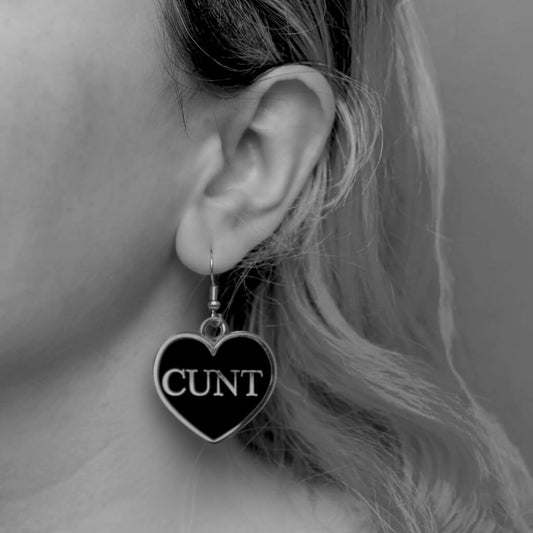
Look around: crescent moons on necklaces, pentagrams on T-shirts, spellbooks rebranded as “wellness journals.” Even luxury fashion houses have borrowed witch imagery for their runways.
The symbols are powerful, and not just visually. They represent refusal - a turning away from conformity. Yet their adoption raises old tensions. Wiccan practitioners see the pentacle as sacred, a symbol of balance between the elements and spirit. When that sign appears on mass-produced earrings in high-street shops, something spiritual becomes commercial.
Still, visibility changes minds. What was once a sign of evil now sits comfortably in mainstream style. “You can’t exorcise something you see everywhere,” one London coven leader joked in an interview a few years ago. She’s right. Fashion, by accident or intent, has basically normalised witchcraft.
The Goddess and the Revolution
At Wicca’s heart lies the Goddess - divine, maternal, sexual, and cyclical. To worship her was to challenge centuries of patriarchal theology. During the 1970s, when second-wave feminism exploded, Wicca found itself entwined with radical politics.
American author and witch Starhawk used Wiccan ritual as both protest and prayer, describing the Goddess as “the Earth made conscious.” Her book The Spiral Dance became a feminist classic, mixing activism with spirituality.
Today, the Goddess concept has evolved again. In many covens, gender polarity - the traditional Goddess and God balance - is being reinterpreted to include queer and non-binary experiences. Some rituals replace gendered symbols altogether, focusing on energy rather than anatomy.
Wicca’s theology remains fluid, but the central theme endures: power begins with self-knowledge, and spirituality belongs to everyone.
A Religion for the Green Age
Long before climate marches and carbon pledges, Wiccans treated the planet as sacred. Their festivals - Samhain, Beltane, Yule, and the rest - mark the Earth’s turning, each tied to a season’s meaning: death, renewal, growth, harvest.
The faith’s ethic is simple but far-reaching: harm none. That includes the environment. Many Wiccans live by what might now be called “eco-paganism” - composting, herbalism, and ritual aligned with lunar cycles. It isn’t just symbolic. Their worldview sees humanity as part of nature’s system, not its ruler.
That ecological focus has quietly fed back into wider culture. Environmentalists borrow Wiccan language about balance and interconnection, sometimes without realising its origin. The modern idea that “the Earth is alive” owes as much to pagan spirituality as to science.
Photo by cottonbro studio: https://www.pexels.com/photo/photo-of-man-engaged-in-his-smartphone-8088494/
The Internet Coven
Scroll through TikTok and you’ll find it: #WitchTok. Millions of users performing spells, brewing potions, and sharing crystal lore. Most aren’t initiates of any coven; many aren’t religious at all. But they’re part of a digital witchcraft revival that has carried Wiccan aesthetics into everyday conversation.
This online witchcraft is democratic and messy. Anyone can join in. Some Wiccans welcome the accessibility; others fear that fast-moving trends dilute the faith’s seriousness. Yet the spirit of self-directed practice - the idea that magic belongs to the individual - is pure Wicca at its core.
It’s also political. Young queer and female creators use witchcraft as metaphor for autonomy, healing, and resistance. A spell can be a statement, a charm an act of self-care. The sacred has gone viral - and it’s changing what spirituality looks like in public.
Faith, Fake News, and the Price of Popularity
Of course, not everyone approves. Conservative Christian groups still brand witchcraft as satanic, ignoring that Wicca has no devil figure at all. Meanwhile, the media’s appetite for “witch trends” has led to sensational headlines about “dark magic” or “millennial witches hexing politicians.”
Inside the community, the bigger argument is about authenticity. Older practitioners worry that online witchcraft - with its hashtags and “moon water” tutorials - turns religion into entertainment. Younger ones argue that accessibility keeps it alive.
Commercialisation sits at the centre of the conflict. When multinational brands sell “starter witch kits,” complete with sage bundles and plastic crystals, sacred practice becomes retail therapy. But as one American high priestess dryly put it, “At least they’re not burning us anymore.”
From Cult to Culture
Wicca’s story is one of survival through transformation. It began as a secret ritual in candlelit circles and grew into a public philosophy that celebrates freedom, gender diversity, and ecological respect. Its fingerprints are everywhere - in pop songs, fashion lines, social media, and even corporate mindfulness campaigns that echo pagan ethics of balance and intention.
Whether this mainstreaming enriches or empties Wicca is still up for debate. Some see it as proof that witchcraft has conquered old fears; others think it’s being drowned in commercial noise.
Either way, the influence is pretty clear. Wicca changed the language of spirituality. It gave people - especially women and queer communities - permission to see magic not as superstition, but as self-knowledge.
In a century defined by anxiety, climate crisis, and disconnection, the old witch’s whisper sounds strangely modern: respect the Earth, trust your will, and harm none.