Skip to content

How Do Goths Use Fashion, Makeup and Body Modification?
Goths weaponise aesthetics through dark fashion, theatrical makeup, and modification, constructing powerful alternative identities in direct visual opposition to mainstream society. Goths craft an unmistakable visual shield against mainstream boredom, using dramatic fashion, stark makeup, and permanent body modification to signal their subcultural allegiance and assert their individual identity.
Key Points
- Clothing functions as a physical shield and a visual manifesto against standard high-street trends.
- Makeup provides a theatrical method to distort conventional beauty norms and celebrate alternative histories.
- Permanent body modifications indicate an absolute, lifelong commitment to an outsider lifestyle.
- The visual style splits into several distinct subgenres that reflect specific musical and philosophical preferences.
Goth fashion acts as a visual manifesto
Fashion within this subculture is never just about clothing. It is an active refusal to participate in the sanitised, bright, consumerist style pushed by corporate retailers. When an individual gets dressed in the morning, their choices declare a total separation from standard societal values. The high street demands conformity, pastel shades, and predictable shapes. This style demands the exact opposite. It prioritises darkness, historical reference, and tactile textures that feel distinct to the touch.
The materials chosen tell a specific story. Velvet offers a deep, light-absorbing texture that hints at historical mourning traditions and old-world wealth. It feels heavy and significant. Lace provides a delicate contrast, exposing skin whilst remaining tangled and complex. Leather and PVC introduce an element of danger, artificiality, and toughness. These fabrics are stiff. They restrict movement or alter posture, forcing the wearer to carry themselves with a specific rigidity. This clothing acts as armour. When you walk through a crowded city centre wearing heavy boots, a floor-length coat, and chains, you create a literal physical boundary between yourself and the public. People step aside. They stare, but they also keep their distance. That distance is entirely intentional.
The focus on the colour black is the most obvious element, but it is often misunderstood by outsiders. Mainstream culture views black as a colour of grief, depression, or basic utility. Within this scene, black is a canvas. It allows the wearer to focus entirely on silhouette, texture, and layering without the distraction of bright hues. It is a unifying code. A group of individuals dressed entirely in black instantly recognise one another as part of the same tribe, even if they have never spoken.
This style relies heavily on DIY methods. Before internet shopping made alternative clothing easy to buy, participants had to dye their own clothes, shred their own fishnets, and safety-pin their own jackets. That spirit remains vital today. Even in the modern digital age, where subcultures are instantly broadcasted on social platforms, true style cannot be bought off a rack at a standard shopping centre; it must be constructed with personal intent. My view is that the modern reliance on cheap, mass-produced alternative clothing has diluted the power of the subculture. True subversive style requires effort, manipulation of materials, and a refusal to look tidy.
The historical roots of the gothic aesthetic
You cannot understand modern alternative appearance without looking closely at the late 1970s post-punk music scene. When punk rock began to fracture and slow down, bands started creating music that was atmospheric, bleak, and tribal. This musical shift altered the way people dressed. In 1979, the band Bauhaus released a track called Bela Lugosi’s Dead. This moment is widely seen as the birth of the scene. The musicians did not look like traditional punks with bright mohawks and safety pins. Instead, they looked pale, skeletal, and hollowed out. They took the aggressive, anti-establishment energy of punk and turned it inward, creating a style that looked back at history rather than forward to a sci-fi future.
Siouxsie Sioux, the frontwoman of Siouxsie and the Banshees, became a massive style icon for the movement. Her appearance mixed heavy, angular eye makeup with teased, chaotic black hair and leather clothing. She proved that women in the alternative scene did not have to look gentle or appealing to the male gaze. She looked fierce, unapproachable, and entirely in control. At the same time, clubs like the Batcave in London became regular meeting points where people experimented with their appearance. Attendees mixed fishnets, rubber, vinyl, and theatrical cosmetics under dim ultraviolet lights.
As the 1980s progressed, the style began to pull visual ideas from older eras. The Victorian period became a huge source of inspiration. Goths looked at the strict, formal mourning customs of the 19th century-such as black veils, top hats, corsets, and long mourning weeds-and adopted them for everyday wear. They also drew heavily from classic horror cinema, specifically German Expressionist films like Nosferatu and the classic Universal Monster movies.
The goal was to take things that society associated with death, fear, and decay, and turn them into something beautiful and respectable. This historical recycling is a core part of the subculture, sharing deep philosophical links with early twentieth-century occultism through its non-conformist stance against traditional institutions. It shows a deep obsession with history, literature, and the darker sides of human existence. It is factual to state that without this specific musical and cinematic foundation, the modern aesthetic would simply not exist. It would be nothing more than a superficial fashion trend.
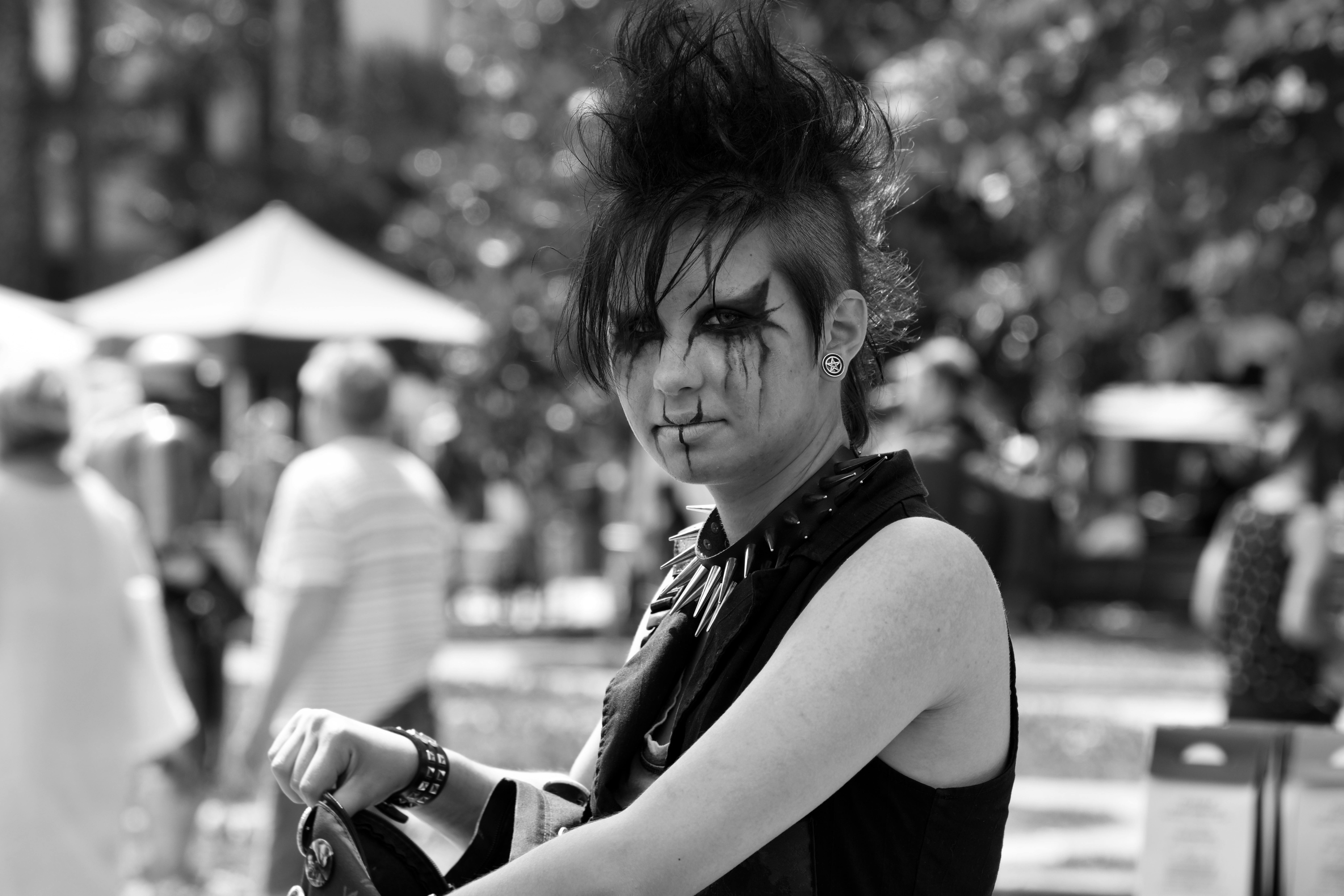
Photo by Serena Koi from Pexels: https://www.pexels.com/photo/grayscale-photo-of-woman-with-creative-makeup-12225929/
Makeup acts as a tool for theatrical distortion
Cosmetics within this scene do not exist to hide flaws or make the face look healthy. Mainstream makeup aims for a natural, sun-kissed look that suggests youth, vitality, and productivity. Gothic makeup does the exact opposite. It looks directly to the grave, the stage, and the silver screen for its cues. The face becomes a mask, a piece of performance art designed to shock or distance the viewer. The daily application of these cosmetics can feel like one of many personal rituals, transforming the individual before they step into the public eye.
The foundation is almost always selected to be several shades lighter than the wearer’s natural skin tone. This produces a pale, bloodless base that completely erases the natural flush of the cheeks. This deathly paleness is a direct challenge to the modern obsession with tanning, which society associates with health and leisure. Over this white or pale base, sharp contouring is applied. Dark grey or purple powders are brushed into the hollows of the cheekbones, around the temples, and down the sides of the nose. The intent is to make the face look gaunt, sharp, and skeletal. It mimics the appearance of a vampire or a reanimated corpse, celebrating a state of physical decline rather than youthful perfection.
The eyes receive the most intense treatment. Heavy black eyeliner is applied in thick, geometric shapes that often extend far beyond the eyebrow or down onto the cheek. This technique draws heavily from silent films, where actors had to exaggerate their facial features so audiences could read their emotions from a distance. It also references the ancient Egyptian eye styles worn by Siouxsie Sioux. Eyebrows are often completely shaved off and drawn back on with black pencil in high, thin, dramatic arches that give the face an expression of permanent disdain or curiosity. Lips are painted in dark shades, ranging from deep plum and blood red to absolute matte black.
One of the most important aspects of this cosmetic tradition is its complete disregard for traditional gender boundaries. Men within the subculture wear exactly the same heavy eyeliner, pale foundation, and dark lipstick as women. This has been true since the days of Robert Smith from The Cure and Peter Murphy from Bauhaus. In my opinion, this gender neutrality is one of the finest elements of the scene. It strips away the ridiculous idea that cosmetics belong solely to women, allowing anyone to use makeup as a tool for personal power and theatrical expression.
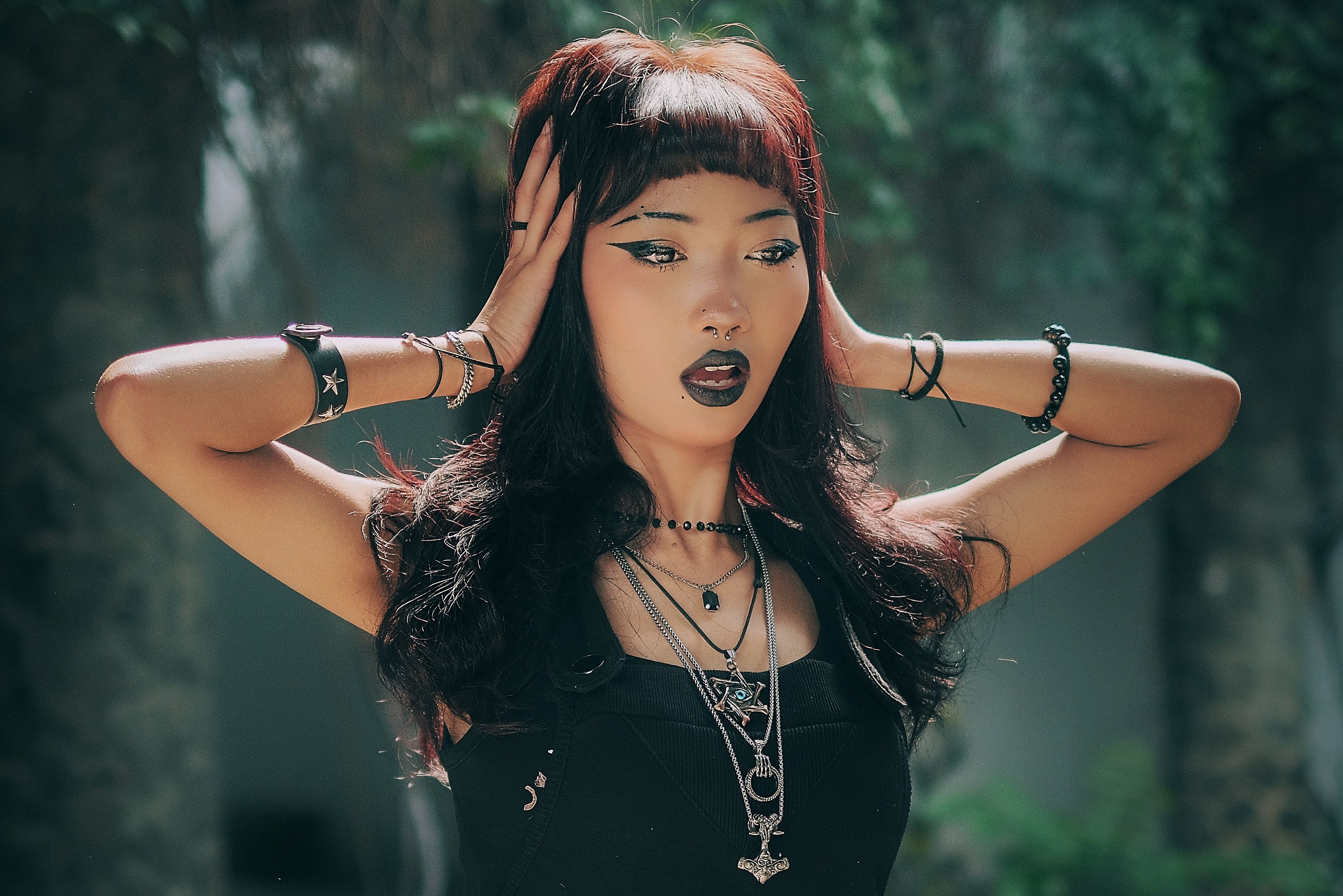
Photo by Andreas Suwardy from Pexels: https://www.pexels.com/photo/gothic-style-woman-outdoors-in-nature-33657970/
Body modification marks a permanent commitment to the subculture
While clothing can be taken off and makeup can be washed away with soap and water, body modification is a permanent change. Piercings, tattoos, and scarification represent an entirely different level of dedication to the alternative lifestyle. They guarantee that even when an individual is completely undressed, they still bear the undeniable marks of an outsider.
Piercings are incredibly common within the community, often going far beyond standard ear lobe piercings. Septum piercings, lip rings, eyebrow bars, and multiple facial piercings are standard features of the look. These modifications alter the symmetry of the face, adding metallic gleams to the dark cosmetic palette. They also link the subculture to broader histories of tribal decoration and body alteration.
Tattoos are used to turn the skin into a living canvas that displays the wearer's inner landscape. Common imagery includes bats, skulls, historical architecture, lyrics from influential bands, and complex blackwork designs. Many incorporate specific symbols popularised by counterculture icons like Aleister Crowley.
Scarification and branding are less common but represent the extreme end of the modification spectrum. These processes involve cutting or burning patterns into the skin to create raised scars. This is a painful, intense process that requires immense physical endurance. The psychological reason for these modifications is clear. They act as a total rejection of the corporate workplace and mainstream respectability. A person with a heavily tattooed neck, stretched ear lobes, and multiple facial piercings cannot easily blend back into a standard office job. They have made a choice that permanently alters how society views them.
My view on this is direct. Many people wear alternative clothes as a weekend hobby, returning to standard attire for their jobs on Monday. Permanent body modification separates the tourists from the true participants. It is an unapologetic statement that the wearer does not care about corporate approval or middle-class standards of neatness. It is a physical manifestation of personal sovereignty.
Subgenres create distinct visual divisions within the community
The gothic subculture is not a single monolith. Over the decades, it has fractured into several distinct subgenres, each with its own specific style rules, musical preferences, and visual histories. Understanding these divisions is essential for anyone trying to analyze the scene accurately.
Traditional Goth, often called Trad Goth, looks directly back to the original 1980s post-punk era. The style relies on big, teased hair held in place with massive amounts of hairspray, fishnet tops worn as shirts, leather jackets covered in band patches, and pointed shoes known as pikes. The look is messy, aggressive, and deeply tied to punk rock traditions. It values a low-budget, DIY aesthetic over polished presentation.
In stark contrast to this is the Victorian Goth style. This group completely ignores the punk roots, focusing instead on the literature, fashion, and mourning customs of the 19th century. Men wear velvet frock coats, top hats, and ruffled shirts, whilst women wear elaborate cassettes, floor-length skirts, lace veils, and carry parasols. The mood is aristocratic, theatrical, and deeply romantic, heavily influenced by authors like Bram Stoker and Mary Shelley.
Another major division is Cyber Goth, which emerged in the late 1990s and early 2000s alongside electronic industrial music. This style throws away the rule that everything must be black. Cyber goths mix dark clothes with bright neon colours like radioactive green, hot pink, and electric blue. They wear synthetic materials like PVC and vinyl, and their hair often features dreadlocks made from plastic tubes or foam yarns, known as cyberlox. They frequently wear gas masks, aviator goggles, and massive platform boots covered in metal plates. This look is futuristic, artificial, and aggressive, moving far away from the historical references of the Victorian style.
Finally, Nu Goth is a modern interpretation that blends traditional alternative imagery with contemporary streetwear. This style is much more minimalist and comfortable, featuring oversized black hoodies, leggings, beanies, and round sunglasses. It relies heavily on printing symbols, such as pentagrams, inverted crosses, and planetary signs, directly onto standard clothing shapes. These dark designs often overlap with the symbols worn by Wiccans and other modern Pagans, blurring the lines between fashion and spiritual practice.
There is significant tension between these groups. Traditionalists often view Cyber Goths or Nu Goths as fake, arguing that they have lost touch with the musical roots of the subculture. In my opinion, this gatekeeping is incredibly tedious. While I prefer the classic, historical references of the Victorian and Traditional styles, the fact that the subculture can produce such wildly different visual expressions shows that it is a living, breathing movement rather than a dead museum piece.
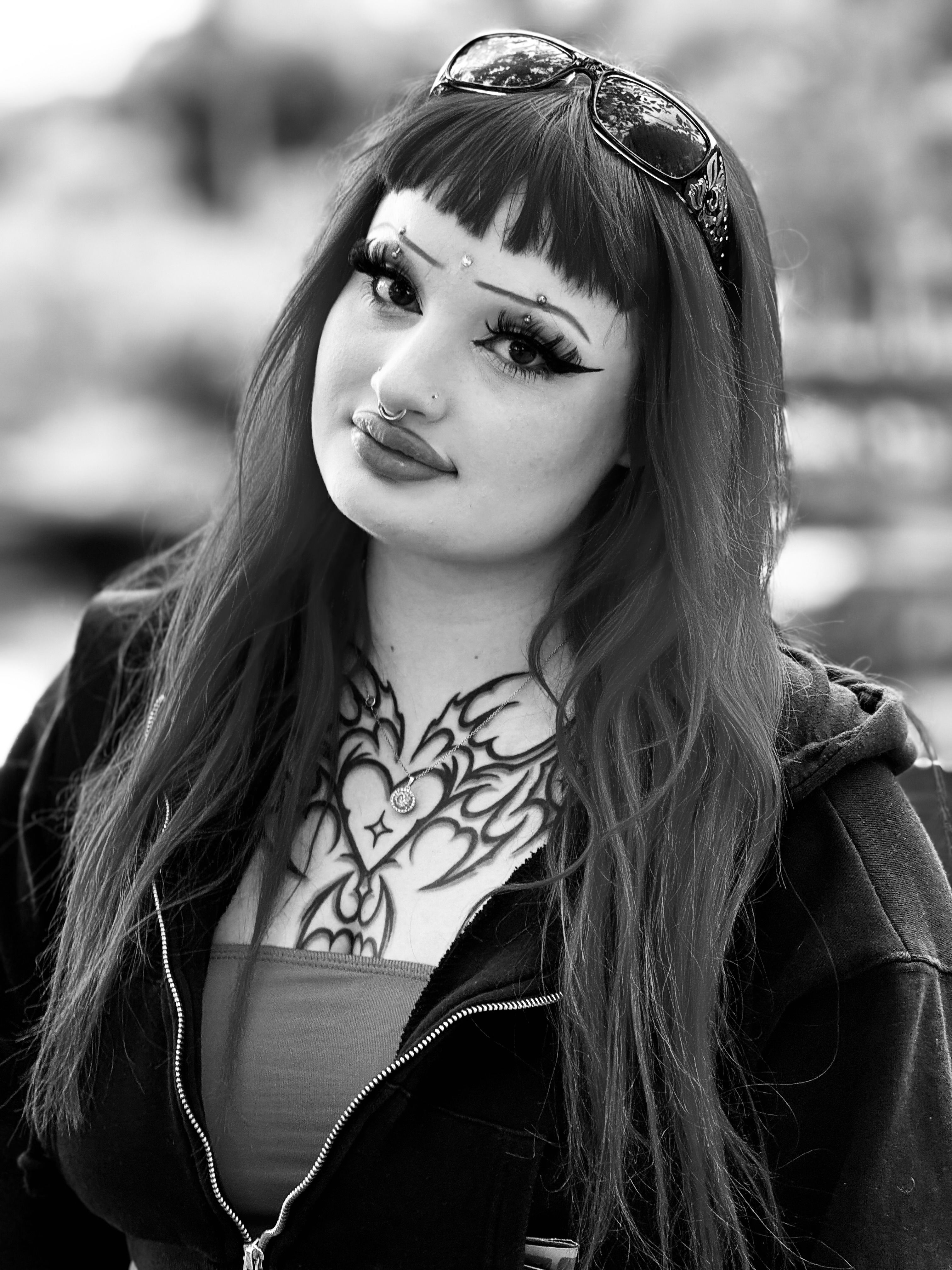
Photo by Joolsmagools ®️ from Pexels: https://www.pexels.com/photo/young-woman-with-bold-makeup-and-tattoo-on-chest-22555296/
The social implications of wearing the counterculture outwardly
Choosing to walk through the world looking like a creature of the night carries real-world consequences. Public presentation is a political act. When you refuse to dress in the manner that society deems normal, you invite immediate judgment, commentary, and sometimes outright danger.
On a positive note, this extreme style fosters incredible community solidarity. When two alternative individuals pass each other on a quiet street, there is an immediate flash of recognition. This visual code creates an instant bond, a sense of belonging for people who have felt like outcasts their entire lives. It is a way of finding your people without saying a word. In a world that can feel incredibly lonely and fragmented, that visual connection is an incredibly powerful thing. It tells you that you are not alone in your rejection of mainstream boredom.
However, the negative implications are severe. Looking different makes you a target. Society claims to value individuality and freedom of expression, but it frequently punishes anyone who actually takes those concepts seriously. In fact, alternative dressers are often targeted by bizarre mainstream conspiracy theories or moral panics that mischaracterise their harmless self-expression.
Goths face constant verbal harassment on the streets. They are stared at, mocked, and barred from certain venues simply because of how they look. In extreme cases, this prejudice turns into physical violence. A stark, tragic example of this occurred in England in 2007, when a young woman named Sophie Lancaster and her boyfriend were brutally attacked in a park purely because they were dressed in alternative clothing. Sophie died from her injuries.
This horrific event showed the world that alternative style is not just a harmless game or a superficial phase. It carries genuine risk. Wearing these clothes, this makeup, and these modifications is an act of bravery. It is a daily confrontation with a society that fears anything it does not understand. It proves that bodily autonomy is still a battleground.
Conclusion
Fashion, makeup, and body modification within this dark subculture are not mere decorations. They are tools for personal sovereignty and absolute self-determination. By embracing the aesthetics of darkness, history, and the macabre, participants build an identity that is entirely their own, free from the dictates of mainstream commercialism.
Despite decades of attempts by high-street fashion brands to co-opt and sell the look, the core of the subculture remains fiercely independent. You can buy a black shirt from a corporate shop, but you cannot buy the history, the dedication, or the rebellious spirit that makes a true outsider. The style persists because it fulfils a deep human need: the need to express the internal landscape externally, without apology, and without fear of the dark.
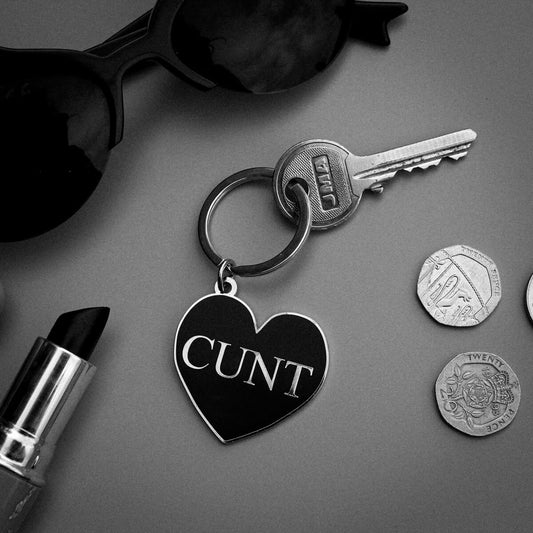
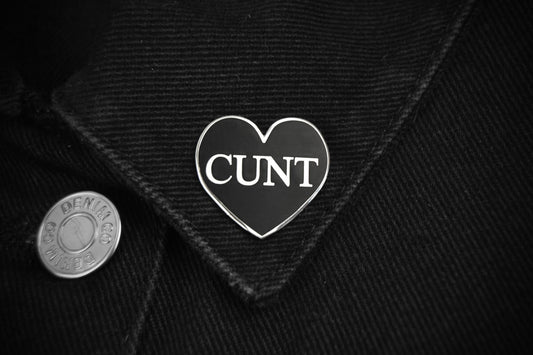
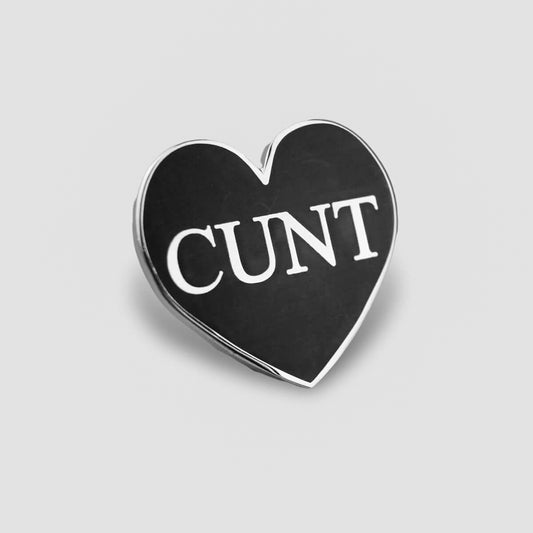
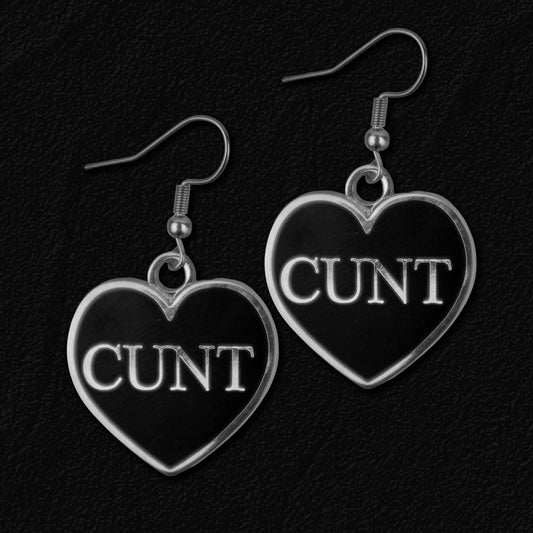
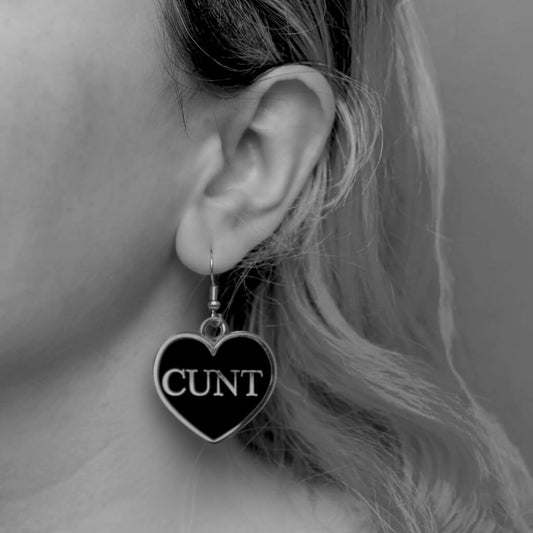
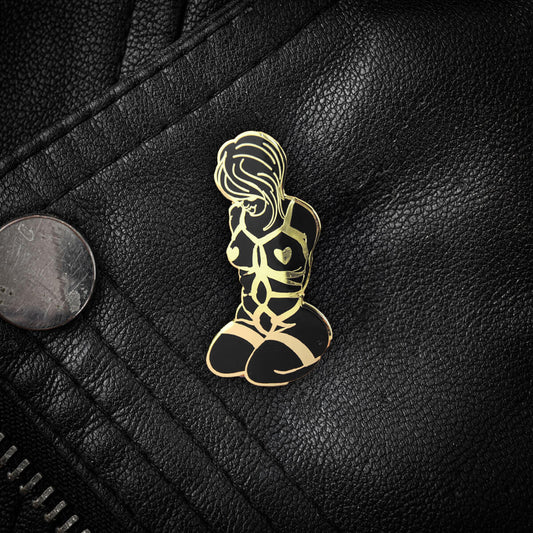
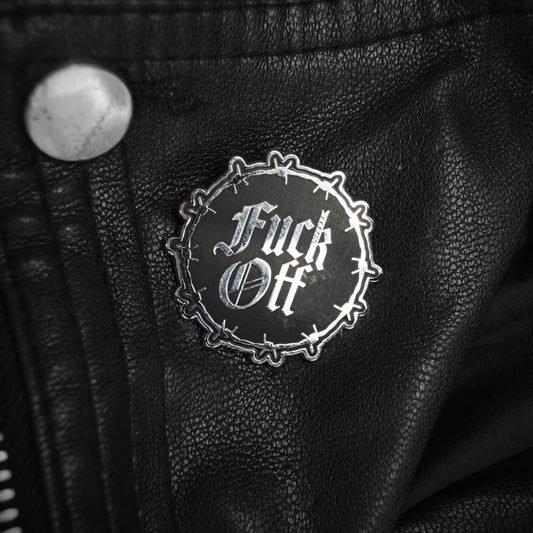
Whether your lifestyle embraces the traditional post-punk look or a modern minimalist street aesthetic, checking out our occult jewellery, pinning on our sinister gothic pins, or supporting our dedicated charity products is the ultimate way to manifest your dark allegiance every single day.