Skip to content

What Is the Occult in the Modern Digital Age?
In the digital age, the occult is best understood as a mix of online witchcraft, ritual, divination and symbolism that now runs through social platforms, apps and marketplaces instead of private lodges and back rooms. Old ideas about hidden forces, fate and ritual have not gone away - they now appear as WitchTok clips, tarot livestreams, Discord covens and Etsy spell listings.
Key points
- Occult ideas show up today as online witchcraft, tarot, astrology, ritual and symbolism woven into daily scrolling.
- The internet turned private traditions into searchable content, global communities and paid spiritual services.
- Digital occult culture carries real value for some people but also makes it easy for scammers and copycats to profit.
- A lot of “normal” online habits - horoscopes, manifestation videos, lucky reposts - behave like folk magic whether people admit it or not.
From grimoires to group chats
For most of recent history, occult practice in Europe and North America sat in the background: private circles, home-made grimoires and quiet folk customs. Ceremonial magicians experimented with complex rites while village charmers worked with herbs, prayers and candles.
In the 20th century, new forms like Wicca and modern witchcraft gathered those threads into structured practice, with set rituals and seasonal festivals. If you want a focused primer on how that all links together, Is the Occult Connected to Witchcraft and Wicca? gives a clear breakdown of where the labels overlap and where they part company.
Key figures such as Gerald Gardner helped shape this modern wave. His story is unpacked in Who Was Gerald Gardner?, which shows how ideas from ceremonial magic, folk practice and lodge-style groups fed into the Wiccan boom that still influences online witch culture today.
Once the internet arrived, these currents did not stay offline for long. Message boards, mailing lists and early websites became the new meeting spots where solitary witches swapped rituals, arguments and book recommendations - a direct ancestor of today’s WitchTok and Discord covens.

Photo by Towfiqu barbhuiya: https://www.pexels.com/photo/a-person-holding-a-smartphone-11341268/
What “the occult” covers online now
Scroll through modern occult content and you will see several strands tangled together:
- Witchcraft and folk magic - candle work, jar spells, home protection, ancestor focus.
- Structured ritual and magic - circles, invocations and more formal workings. If you want a solid grounding in that side, our article How Do Occult Rituals Work? is a good reference.
- Divination - tarot, runes, pendulums, scrying and astrology charts.
- Symbol-heavy practice - sigils, runes, planetary symbols and tools such as athames and pentacles. How Do Occultists Use Symbolism in Their Rituals? digs into that visual language.
- Paranormal themes - ghosts, hauntings and demons, usually blended with horror aesthetics.
On TikTok and Instagram, the same creator might move between all of these in a week. One post gives a serious protection working, the next makes a joke about hexing an ex, followed by a calm tarot check-in or moon ritual.
Some followers approach this as religion. Others use it like lifestyle branding and self-help. A fair number treat it as spooky entertainment that still feels comforting when life is messy.
How the internet reshaped practice
The net shifted occult practice in three main way:
It made information easy to grab.
You no longer need a hidden teacher or specialist bookshop to see a ritual script. A teenager with a phone can find basic spell structures, tarot spreads and correspondences in minutes. That is good for access, but it also means half-baked material spreads very quickly.
It turned practice into shared content.
Ritual is no longer limited to private circles. People post sabbat altars, film spell setups and livestream readings. Online covens run full moon gatherings on video calls. If you want to know how more formal witch religion actually plays out, our article What Happens During a Wiccan Ritual? lays out the structure that many digital witches still use behind the camera.
It turned magic into a product line.
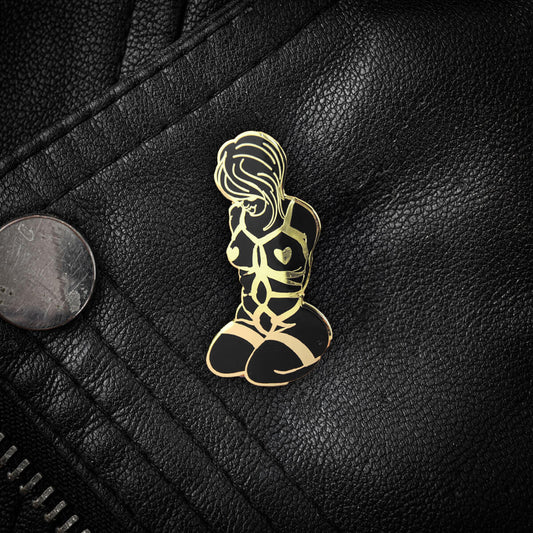
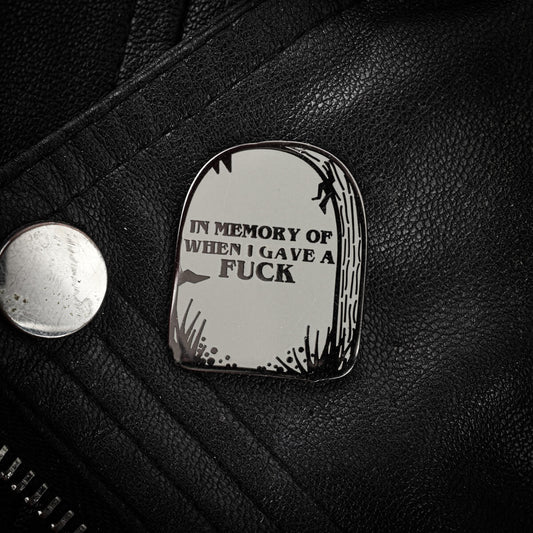
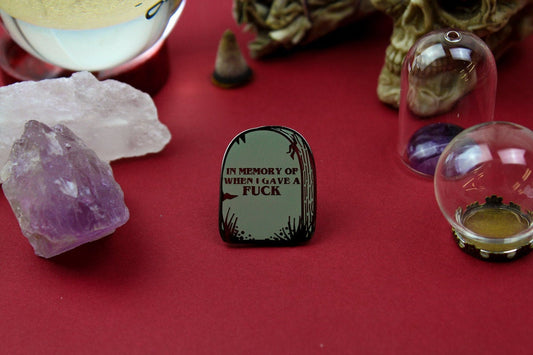
Spellwork and readings now appear next to T-shirts and enamel pins. Sellers offer custom rituals, jar spells and spiritual cleanses alongside physical items. For some practitioners this is simply payment for time and skill. For others it becomes a pressure to keep inventing bold claims and new “offerings” because the algorithm rewards drama.
Why occult content hits so hard on social media
Occult posts work well with platform logic.
- They look striking. Tarot layouts, sigils, smoky candles, crystals and moonlit photos stop thumbs mid-scroll. If you are interested in the crystal-heavy side, our piece How Do Crystals Play a Role in Occult Practices? dives into how people use stones for healing, focus and protection.
- They connect to real worries. Money, love, exams, housing, health - all the things people fret about are standard topics for spells and readings.
- They fit with newer spiritual habits. Many younger adults move away from strict religion but still look for pattern, comfort and a sense that life has meaning. Witchcraft, tarot and astrology give language for that without demanding a single creed.
- They blend confession and ritual. Creators talk about trauma, neurodivergence, sexuality and politics alongside their workings, which makes magical language part of everyday chat instead of a separate category.
From one angle this looks like empowerment: people building frameworks that help them cope and connect. From another, it is a perfect set-up for platforms and sellers to push more content and more “solutions” whenever a user appears anxious. Both readings can be true at once.

Communities, covens and usernames
Community is one of the biggest pulls.
For people stuck in small towns, strict families or places without local groups, online spaces can feel like relief. Discord servers, group chats and long-running forums give them somewhere to ask questions, share success stories and admit failures without being laughed at.
Some of these spaces behave like traditional covens. They hold study sessions, plan group rituals and mark dates such as Samhain and Beltane together. Others are looser hangouts full of memes, occasional teaching and a lot of mutual reassurance.
At the same time, digital identity lets people try on roles. Someone might start with a moon emoji and witchy username, then move deeper into practice or drift away again once the label stops helping. That flexibility is helpful, but it also means anyone can declare themselves an expert priest or master magician with very little proof.
If you want context on where a lot of this structure comes from, How Has Wicca Influenced Modern Culture? shows how witch imagery and ritual formats moved from out-of-the-way covens into mainstream fashion, media and online identity.
Clicks, branding and spellwork as business
Scroll through marketplace listings and you see how deeply commerce runs through the modern digital occult.
There are offerings for love work, protection jars, court case help, cord cutting, “blockbuster” spells to clear bad luck and packages for full moon workings. Many sellers also provide simple readings to funnel customers into more expensive rituals.
Branding is obvious: cottagecore green witches, goth chaos magicians, satin-and-gold “manifestation mentors”, Satanic-styled creators with sharp graphic design. Visual style becomes as important as actual content. If you want to see how people with deeper roots have shaped that environment, Who Are the Most Famous Occultists? walks through figures whose ideas still echo under all the branding.
My own view is straightforward. Charging for time, skill and crafted items is fine. Problems start when:
- results are sold as guaranteed,
- fear is used to push “urgent” extra work, or
- clients are told to avoid doctors, therapy or legal advice.
At that point, whatever you think about spirits, the sales tactics alone are enough reason to walk away.
Everyday digital superstition
Plenty of people who say they “don’t believe in all that” still behave in ways that look very close to magic.
Offline, lots of adults still touch wood, cross fingers or keep lucky objects. Online, the same habits show up as:
- reposting “good luck” graphics,
- following horoscopes and checking them before big days,
- repeating manifestation phrases from TikTok,
- liking or sharing spell videos “just in case”.
From a practical point of view, that is folk magic with the serial numbers filed off: repeated symbolic actions meant to tilt chance. The difference is packaging, not behaviour.
You can see similar patterns in the way people talk about goddesses, archetypes and moon cycles. For instance, the figure of the Maiden, Mother and Crone described in Who Are The Triple Goddesses? appears regularly in online posts about self development and life stages, even when the writer would never call themselves an occultist.
Photo by Jack Sharp on Unsplash

Risks, scams and blurred lines
Digital occult culture has bright spots - community, creativity, genuine spiritual comfort - but it also has hazards.
Common problems include:
- curse removal sold in endless layers, always needing “one more” working,
- obsession spells nudging people to cling to unhealthy relationships,
- high-priced rituals marketed as fixes for legal problems, serious illness or addiction,
- copy-paste spell books sold as exclusive systems.
There are also softer issues. Some trends encourage unhealthy escapism, such as people trying to spend more time in fantasy lives than in their actual relationships and responsibilities. Others grab sacred items and closed practices from living cultures and use them purely as props or fashion.
This is why a bit of scepticism is healthy. If someone promises total transformation for a fee, or reacts badly when you ask questions, that should ring loud alarm bells.
If you want solid, grounded background before trying anything heavy, then check out another article of ours - What Are Some Common Occult Rituals and Spells? - which offers a helpful overview of basics, including warnings about misuse.
How to engage without losing your grip
If you are drawn to occult material online, you can explore without throwing away your critical thinking. A few simple habits help.
- Treat everything as “information”, not automatic truth. Check the basics against more than one source.
- Start small - a simple candle intention, a daily tarot card, a short grounding practice - before tackling anything that promises to turn your life upside down.
- Keep track of what you try and how you feel afterward. A small notebook beats vague memory.
- Be cautious with anyone who insults or pressures you when you hesitate. Respectful practitioners will accept “no”.
Most importantly, keep your regular support systems - friends, family, community, medical care, therapy - in place. Magic, ritual and symbolism can add meaning and comfort. They should not demand that you cut yourself off from everything else that helps you stay stable.
So what is the occult in the modern digital age?
Put simply, the occult in the digital age is a set of old ideas about hidden forces, ritual and symbolism that now travel through trending sounds, hashtags and storefronts. It lives in WitchTok feeds, Discord covens, spell PDFs, enamel pins and quiet personal practices that never touch the internet.
Behind the pretty altars and filters you will find sincere religion, long-term practice, personal experiments, side hustles and outright scams all sharing the same space. Around that sits a much larger crowd of people who simply like a lucky repost, a moon ritual or a tarot meme to make sense of their week.
Handled with clear eyes, digital occult culture can be thought-provoking, sometimes comforting and occasionally very odd in a good way. Taken as unquestionable truth, it can empty wallets, feed anxiety and blur reality. The difference is not in the tools or symbols - it is in how honestly people use them.
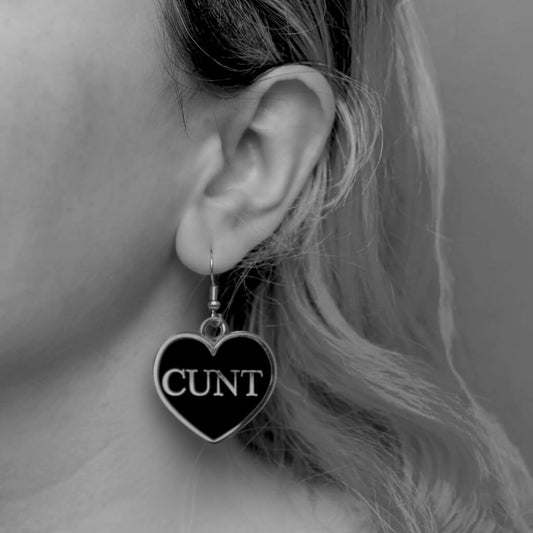
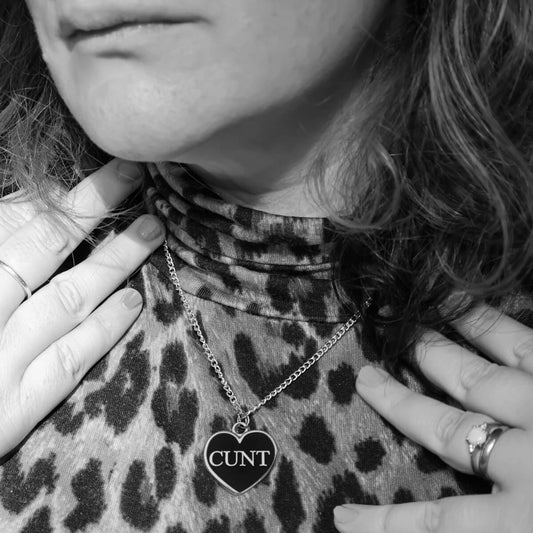
Talking of the occult in the digital age - check out some of our occult jewellery such as our occult necklaces - sold online, but perfect for the real world!