Skip to content

What Are the Different Traditions of Wicca?
Modern Wicca is not a single neat package. It is a cluster of witchcraft based religions that began in the mid 20th century and then spread through books, covens, festivals, and the internet. Gerald Gardner pulled together ritual magic, folklore, and goddess centred worship into something new, which later writers and coven leaders reworked again and again.
If you want a primer on what Wicca actually is before you get into labels, start with this broader guide on what Wicca is.
This piece looks at the main traditions you are likely to see mentioned, how they differ, and what that means if you are trying to choose a path that fits you rather than whoever shouts the loudest online.
Key points
- Wicca broke into several traditions quite early, from tight initiatory covens to open, book based and online taught approaches.
- Some groups insist on lineage and oathbound material; others give you printed rituals and encourage self dedication.
- Feminist and activist streams reshape Wiccan style ritual around gender politics, queerness, and environmental action, which some witches love and others avoid.
- You can practise Wicca as a solitary witch with no formal tradition at all; what matters most is your ethics, practice, and relationship with your gods and spirits.
What Wiccans Mean By A “Tradition”
In Wicca, a “trad” is a cluster of shared rites, teaching, myth, and lineage. It is closer to a style of priesthood than a casual label.
Two questions usually define a tradition:
- Does it pass itself on through formal initiation, tracing who initiated whom, or does it rely on open teaching and self dedication?
- Does it assume coven based work, or does it explicitly build space for solitary witches from the start?
Lineaged traditions say that a chain of initiation keeps ritual material coherent and filters out lazy nonsense. Eclectic and book based witches argue that this attitude often turns into snobbery and blocks people who do not live near busy pagan scenes. I think both sides have a point, which is why it helps to know what each tradition is doing before you pick one.

By Malloym - Own work, CC BY-SA 4.0, Link
Gardnerian Wicca - The First Big Lineage
Gardnerian Wicca is named after Gerald Gardner, a former civil servant and occult enthusiast who went public with his witchcraft in the 1950s. Many historians treat him as the main architect of modern Wicca, even if he borrowed heavily from older ritual magic and folk practice.
Standard features include:
- Small covens with a high priestess and often a high priest
- A three degree system of initiation
- Honour given to a Horned God and a Great Goddess
- Use of ritual tools like athame, wand, chalice, and pentacle inside a cast circle
A lot of Gardnerian material is stored in a coven’s Book of Shadows, which is usually oathbound and copied for initiates rather than published.
If you like structured training, small group ritual, and the sense of belonging to a historical line, Gardnerian Wicca might feel like a good fit. If you hate secrecy on principle, it probably will not.
Alexandrian Wicca - Ritual With A Ceremonial Edge
Alexandrian Wicca was founded in the 1960s by Alex and Maxine Sanders. It grew out of Gardnerian practice but leaned harder into ceremonial magic, Qabalah, and visually dramatic ritual.
Alexandrian covens typically:
- Use a similar degree structure to Gardnerian groups
- Keep core rites oathbound but are often more relaxed about experimentation
- Emphasise full ritual robes, candles, and careful magical symbolism
If you enjoy a slightly theatrical, highly charged ritual atmosphere and still want initiatory structure, Alexandrian circles are worth investigating.
|
|
|


British Traditional Wicca Outside The UK
In places like the United States, “British Traditional Wicca” (BTW) is a catch-all label for Gardnerian, Alexandrian, and closely related initiatory covens that trace back to British lines.
BTW groups are usually firm about:
- Lineage - you are BTW if your initiator can show their own line back to certain British covens
- Oathbound material - central rites are kept within the tradition
- Training - covens expect regular attendance and homework
This attitude can sound stuffy, but plenty of people find it grounding. It is also a clear contrast to more casual “any witchcraft is Wicca” talk online.
Dianic Wicca - Goddess Centred Covens
Dianic Wicca grew out of second wave feminism in the 1970s. Zsuzsanna Budapest and other feminist witches built women centred covens that placed the Goddess, women’s trauma, and political anger at the core of ritual.
Common traits include:
- Focus on the Goddess rather than a God-Goddess pair
- Women only circles in some lines
- Rituals tuned to menstrual cycles, childbirth, abuse healing, and self defence
Some Dianic groups now work to include trans women; others still exclude them, which has caused serious conflict in wider pagan communities. Personally, I think the historical value of giving women space to rage and heal is real, but any spirituality that claims to free people has to keep updating its ideas about gender.
Reclaiming - Witchcraft As Activism
Reclaiming tradition started in the late 1970s in the San Francisco Bay Area. Starhawk and other organisers blended Wiccan style ritual with anarchist politics, eco-activism, and influences from Feri witchcraft and feminist spirituality.
Reclaiming groups typically:
- Write rituals together rather than follow rigid scripts
- Use consensus decision making instead of top-down leadership
- Mix spiritual practice with campaigns for climate action, anti-fascism, and social justice
If your spellwork and your protest signs come from the same part of your soul, Reclaiming will probably make sense to you. If you want purely devotional or magical focus without politics, it is less likely to match your needs.
Feri Tradition - Ecstatic Witchcraft Beside Wicca
Feri (often spelled Faery or Faerie) is technically its own form of witchcraft, but many Reclaiming and Wiccan witches talk about it, and some move between them. It is known for intense personal work, spirit contact, and sensual, trance based practice.
Different Feri lines teach their material in slightly different ways, usually through close student teacher work rather than open classes. If you are drawn to ecstatic states and shadow work more than to neat ritual calendars, Feri style practice can look very tempting, though it demands emotional honesty and staying power.
Seax-Wica - Open Saxon Flavour
Seax-Wica was created in the 1970s by Raymond Buckland, an English born Gardnerian priest who wanted a system that kept Wiccan structure but dropped secrecy and heavy hierarchy.
Seax-Wica:
- Uses deities such as Woden and Freya, inspired by Saxon myth, without claiming to recreate historical paganism
- Allows self dedication and self initiation
- Encourages covens to elect leaders rather than treat them as permanent rulers
Buckland published the full ritual system in book form, so you can study it without hunting for a private coven. For people who like clear rites but dislike gatekeeping, that combination is attractive.
Correllian Wicca And Other Teaching Traditions
Correllian Wicca (also called the Correllian Nativist Tradition) is a modern Wiccan line known for its strong online training structure. Lessons, degree systems, and initiations are often managed through internet based schools.
It fits into a wider pattern: traditions that use distance learning to offer Wiccan priesthood training to people far from big cities or established scenes. These systems feel a bit like spiritual correspondence courses. They appeal if you like syllabuses, exams, and a clear progression, and you are comfortable with part of your religious life happening through a screen.
Eclectic Wicca - Mix And Match Practice
“Eclectic Wicca” is the label many witches use when they work with recognisably Wiccan building blocks but do not belong to a lineage. They might follow the Wheel of the Year, honour a Goddess and God, and use classic Wiccan symbols, while drawing spells and deity work from a range of sources.
A lot of eclectic practice is solitary and shaped through popular books. Scott Cunningham’s guides in the late 1980s and 1990s put this style into millions of hands.
Strengths:
- Flexible enough for cramped flats, busy jobs, or closeted practice
- Lets you explore deities and techniques from several cultures
Weak spots:
- High risk of scooping pieces from closed traditions without context
- Easy to fall for half baked spell recipes on social media
- No built in mentor to help you move beyond beginner level
If you take this route, keep your standards high. Read serious sources, cross check claims, and pay attention to discussions of cultural respect.
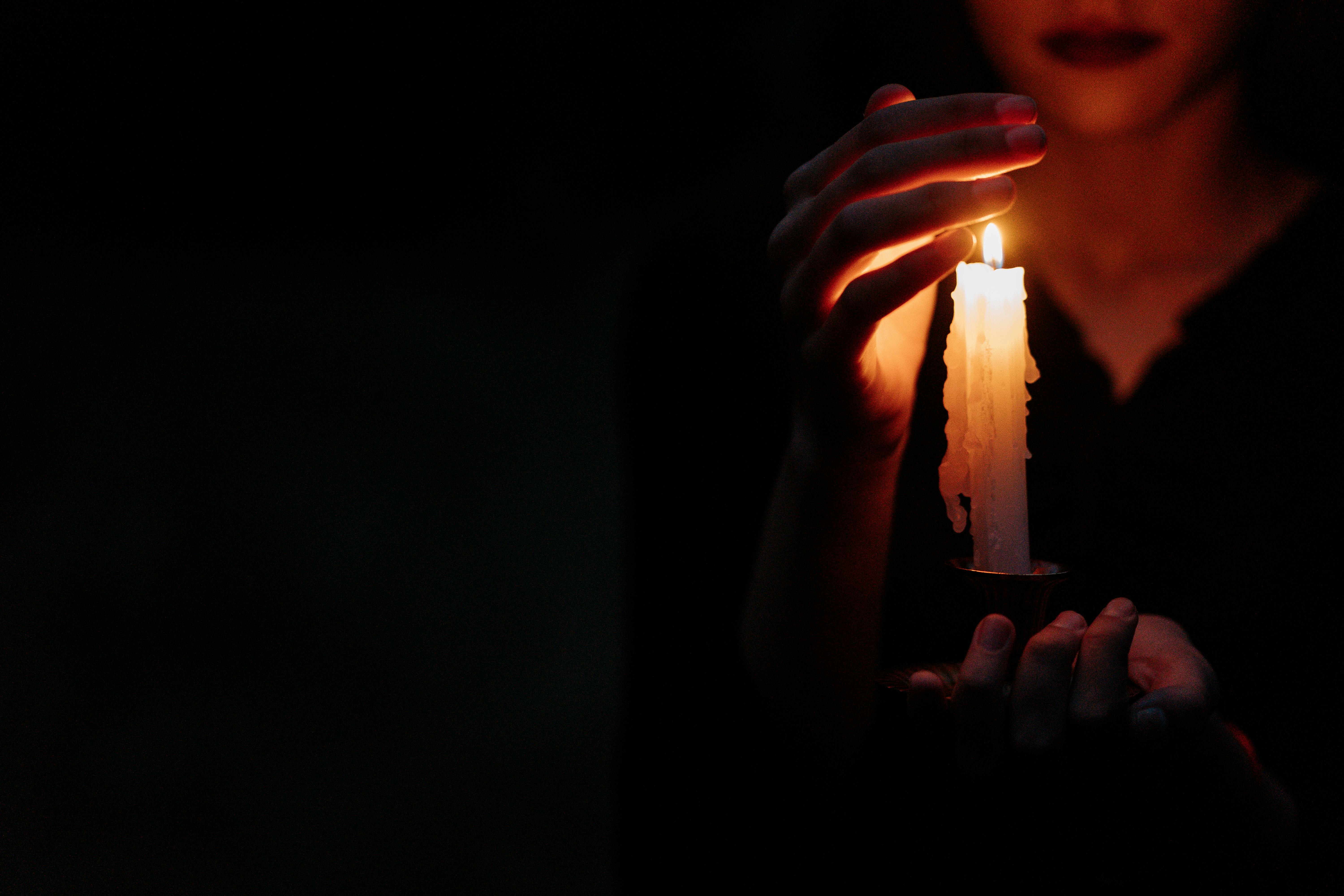
Photo by cottonbro studio: https://www.pexels.com/photo/a-person-covering-the-lighted-candle-he-is-holding-5435272/
Solitary Wicca - Practising Alone
Many witches simply work alone. Some are initiates who moved away from their coven. Others live in areas where no groups exist or stay quiet to avoid trouble from family, employers, or local culture.
Modern publishing has trained a whole generation of solitary Wiccans. Books, podcasts, and online courses teach how to cast circles, honour the Sabbats, and use tools without ever stepping into a coven room.
If you are solitary, it helps to treat your practice as a conversation with nature as well as with books. Our article on how Wiccans view nature in their beliefs gives good context for building outdoor and seasonal observances that suit your life.
Regional And Cultural Variations
Wicca in Britain does not look quite the same as Wicca in Brazil, Spain, or the United States. The basic structure might stay similar, but local folklore, climate, and politics change how people actually practise.
- In Britain and Ireland, many covens blend ritual with local fairy lore and older seasonal customs.
- In North America, Wiccan calendars often weave in large public pagan festivals built around the eight Sabbats. Our article on what the eight Sabbats are in Wicca shows how those festivals line up with the agricultural and solar year.
- Many Latin American witches blend Wiccan ritual structure with brujería, folk saints, or local Catholic practice.
Healthy adaptation respects living cultures and listens when people set boundaries. Treating closed Indigenous or Afro diasporic religions as aesthetic decoration is not harmless trivia; it is disrespectful and, frankly, magically sloppy.
How Traditions Differ In Belief And Practice
Even when groups share a Wiccan label, they can hold very different views.
- Deity: Some see the Goddess and God as real beings with separate wills, others treat them as symbols for wider divine forces. Articles such as Do Wiccans Worship a God? spell out those options clearly.
- Ethics:The Wiccan Rede (“An it harm none, do what ye will”) is common, but people argue fiercely about how strict the “harm none” bit should be. Some take the Threefold Law literally; others see it as a teaching story about consequences.
- Ritual style: BTW covens often stick to set scripts. Reclaiming circles write new rites regularly. Solitary witches might use formal circles for sabbats and quick, improvised workings at other times.
- Symbolism: The pentagram, chalice, and other tools show up across many traditions, but different groups put different weight on them. If you want a refresher on this side of practice, look at this guide to common symbols in Wicca or the broader piece on how occultists use symbolism in rituals.
There is no central Wiccan council checking who is doing it “right”. Social circles and traditions police their own boundaries, which is why arguments flare up about who is “really” Wiccan and who is “just a witch”.
How To Choose A Tradition That Fits You
If you are trying to pick a path, start with blunt questions rather than labels.
- Do you want a coven teacher, or do you value privacy more?
- Are you comfortable with oaths and secrecy?
- How do you feel about strict gendered symbolism, like the classic God-Goddess polarity?
- Do you want your magic tied to activism, or do you prefer quieter temple style work?
Then look at what each tradition actually offers. BTW covens give you tradition-heavy priesthood training. Seax-Wica and Correllian Wicca give you structure without heavy secrecy. Reclaiming and similar groups feed both your witchcraft and your protest habits. Eclectic practice gives you room to experiment, as long as you keep learning.
Watch for red flags in any group: leaders who demand too much money, sexual pressure dressed up as “initiation”, bigotry of any kind, or attempts to cut you off from friends and family. No tradition is worth your safety or your self respect!
Can You Be Wiccan Without A Tradition?
Yep! Plenty of people are. From the 1960s onward, Wicca gradually shifted from a small initiatory priesthood into a wider religious current that solitary witches could enter through books and self taught practice.
Many practitioners eventually decide that they are simply witches or pagans rather than specifically Wiccan. Our article Are Witches Wiccan? digs into that overlap.
In my view, labels are tools. The main questions are: do your practices match Wiccan ideas about deities, cycles, and magic, and do you feel at home using that word? If the answer is yes, then you are Wiccan enough, regardless of coven paperwork.
Final Thoughts - Traditions As Tools, Not Chains
Traditions give you frameworks, shared language, and often a ready made community. They can also give you drama, power games, and rules that make no sense in your life.
The trick is to treat traditions as tools. Learn what different lines stand for. Notice which ones feel like home and which ones grind against your values. Read across several articles, from how witchcraft, Wicca, and the occult connect to more specific pieces on Sabbats, symbols, and deities, so your choice is informed rather than reactive.
The best tradition is the one that helps you grow, act with integrity, and build a living relationship with the powers you honour. Everything else is costume and background music.