 Skip to content

What Is the Role of the Elements in Wicca?
Why The Elements Matter In Wicca
In Wicca, the elements organise almost everything: they give witches a way to map energy, design ritual and make sense of their own moods, so their role is to turn a messy mix of body, mind, emotion, will and spirituality into a clear working system. Earth, Air, Fire, Water and Spirit show up in circle casting, spellwork, seasonal festivals and even how Wiccans talk about personality and balance.
Key points
- The elements give Wiccans a simple structure for understanding body, mind, emotion, will and spiritual connection.
- Earth, Air, Fire, Water and Spirit shape correspondences, quarter calls, tools and the layout of a Wiccan circle.
- Elemental themes guide spell design, personality balance and how practitioners relate to seasons and landscape.
- Spirit ties the system together so the elements function as a living spiritual pattern instead of just a theory chart.
Where the Wiccan element system comes from
Long before Wicca, Greek philosophers such as Empedocles talked about four basic elements - earth, air, fire and water - as the roots of matter and change. That idea ran through medieval magic and alchemy, even after science moved on.
Later occult groups, especially the Hermetic Order of the Golden Dawn, tied those four elements to directions and magical "watchtowers", building big ritual systems around them.Modern witchcraft picked up a lot from that work.
Early Wiccan writing from figures like Gerald Gardner shows rituals that cast a circle, call the four directions and honour elemental forces before moving into the main working.Many Wiccans today add a fifth element, Spirit, to express consciousness and sacred connection running through everything.
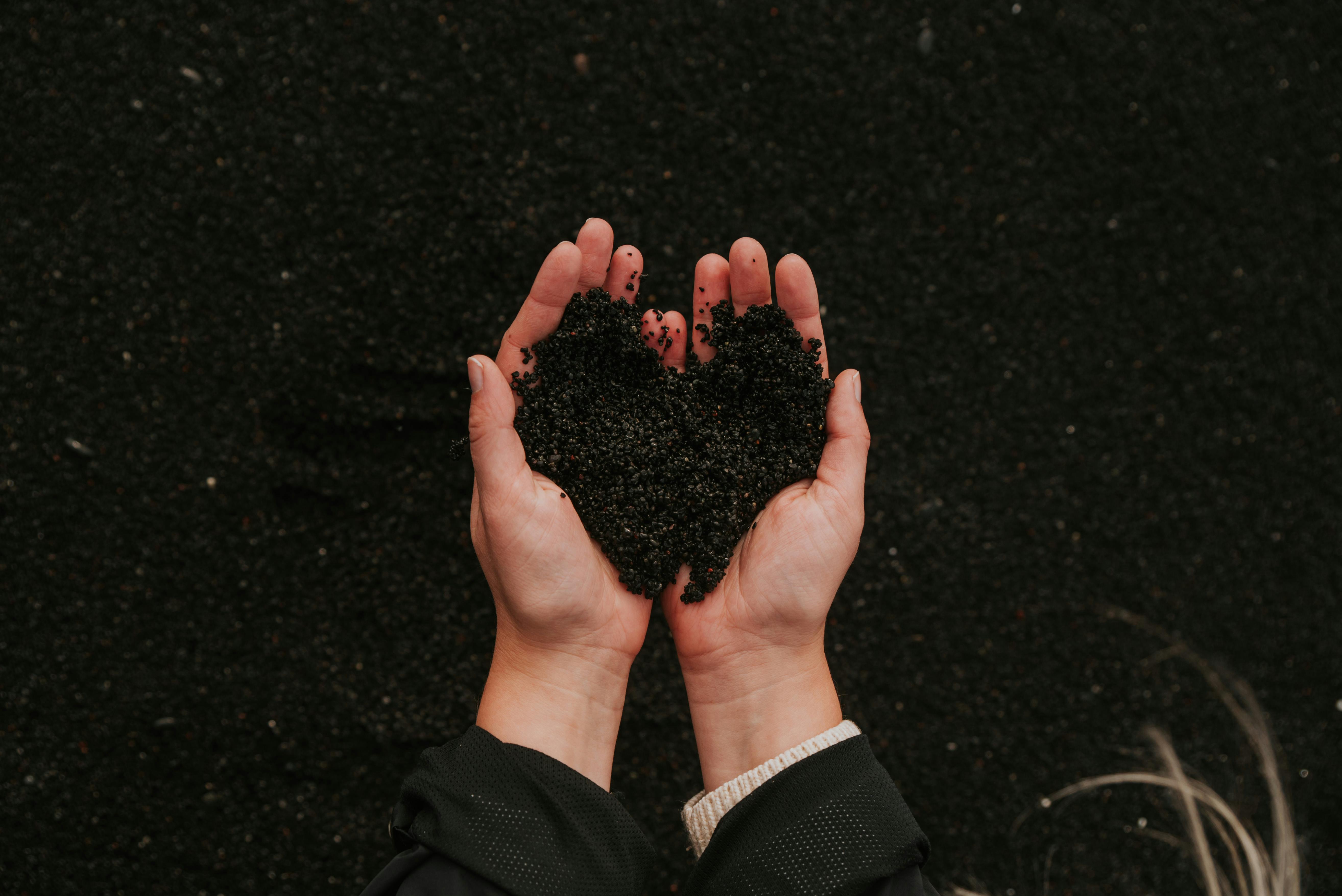
Photo by Annija U: https://www.pexels.com/photo/black-soil-formed-into-a-shape-of-a-heart-16047143/
The five elements in Wicca - quick overview
In Wicca the elements are patterns, not just physical stuff. A quick snapshot:
- Earth - body, work, money, food, long-term growth, patience.
- Air - thought, ideas, planning, study, clear communication.
- Fire - willpower, courage, passion, sex drive, fast change.
- Water - feelings, intuition, dreams, empathy, healing.
- Spirit - awareness, connection to deities, the link between all the other elements.
When Wiccans talk about feeling "too much Fire" or "needing Earth", they mean those qualities, not literal lava or mud.
Elemental correspondences and what they are for
To turn the elements into something usable, Wiccans build correspondences: colours, directions, tools, tarot suits and natural images that all match the same mood. A common northern-hemisphere set looks like this:
- Earth - North, green or brown, winter, the pentacle, coins in tarot, soil and stone.
- Air - East, yellow or light blue, spring, the wand or incense, swords in tarot, wind and open sky.
- Fire - South, red or gold, summer, the athame or wand, wands in tarot, sun and flame.
- Water - West, blue or silver, autumn, the chalice, cups in tarot, seas and rivers.
- Spirit - centre or above, often white or purple, represented by the whole circle or a central symbol.
Altars, candles and clothing are often set up with these links in mind. Our guide on common symbols in Wicca shows how signs like the pentagram or triple moon slot into this bigger pattern.
The point is not to memorise a table for its own sake. It is to give spellwork a shared language, so that colour, direction, tool and intention all pull the mind in the same direction instead of fighting each other.
Calling the quarters - elements at the edges of the circle
Many Wiccan rituals start with casting a circle and calling the "quarters". The witch faces each direction in turn, invites the power of that element and asks for protection and support.
A plain-English call for Air in the East might go like this:
"Guardians of the East, powers of Air, bring clear thought and sharp words to this circle. Stand at our edge and keep it bright. Hail and welcome."
Earth in the North might be asked to ground and stabilise, Fire in the South to energise, Water in the West to bring empathy and insight. When all four quarters are called, the circle feels "set" - held in place by a balanced mix of groundedness, clarity, drive and emotion.
Wiccan tools and their elemental links
Classic Wiccan altar layouts use tools that echo the elements. Writers often line them up like this:
- Pentacle or dish of salt for Earth.
- Wand or incense for Air.
- Athame or candle for Fire.
- Chalice or bowl of water for Water.
Some traditions swap the wand and athame between Air and Fire, but the basic idea stays: the altar is a tiny model of the elemental universe. Our article on Wiccan practices shows how these tools are used to cast circles, bless items and focus spellwork.
You do not need a full shopping list. A stone, feather, tealight and cup of tap water can do the job if you treat them as sacred. The meaning comes from how you use them, not how expensive they are.
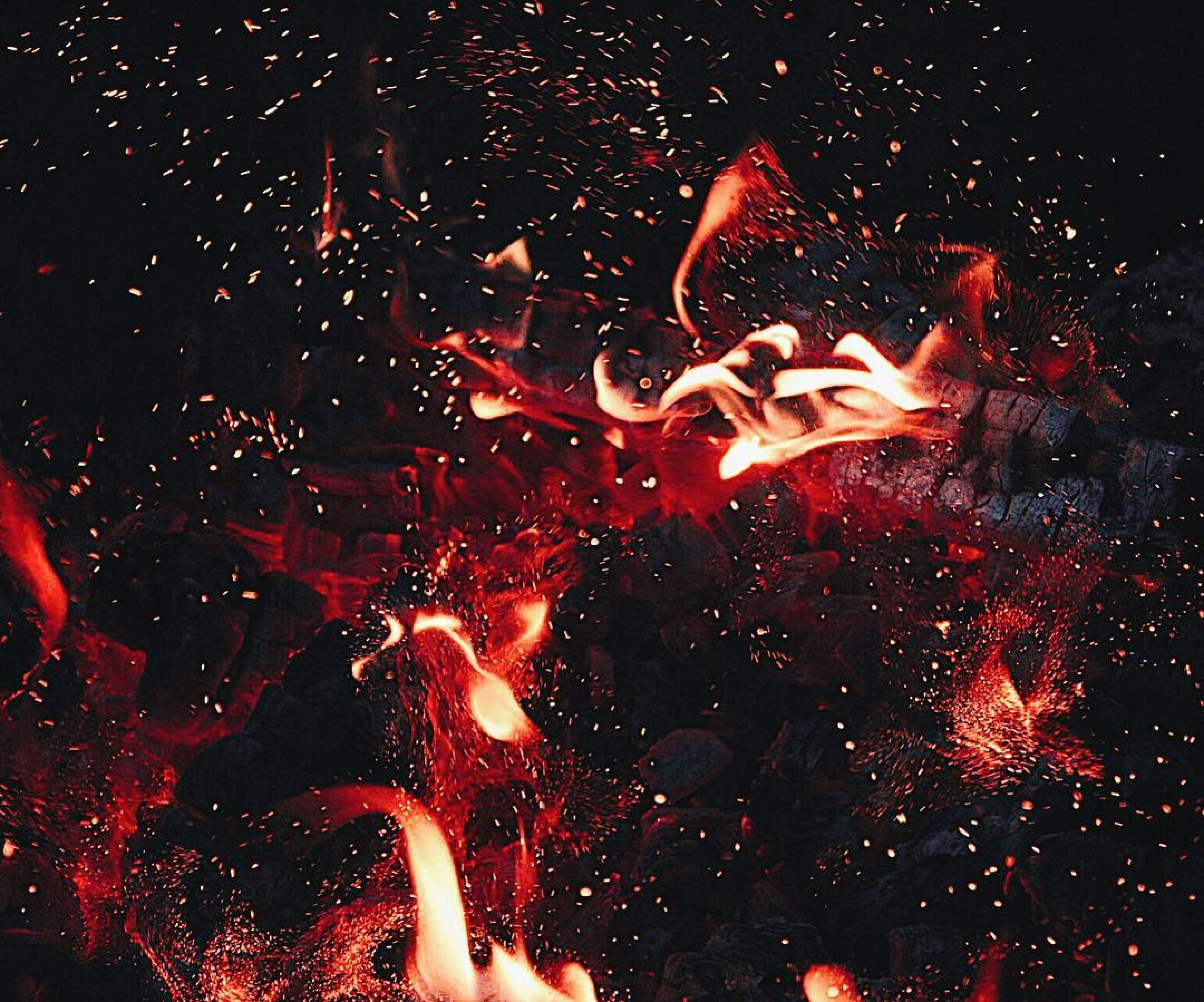
Photo by Igor Haritanovich: https://www.pexels.com/photo/time-lapse-photography-of-flame-1695050/
Elements in spellwork and magic
Element language is everywhere in Wiccan spell design. A protection working might lean on Earth and Fire: solid boundaries plus fierce defence. That could be a jar filled with salt and iron (Earth) sealed with red candle wax (Fire), shaken and re-anchored whenever you feel under pressure.
For emotional healing, Water takes the lead with a bit of Air for clarity. Picture a blue candle beside a bowl of water. You speak honest words about what hurts (Air), then symbolically pour that pain into the water and bless yourself with a few drops (Water) before pouring the rest away.
Visual techniques often use elemental cues: roots into the ground for Earth, long breaths for Air, a steady flame in your chest for Fire, a cool tide washing through you for Water. If you are already familiar with magick as focused intention and ritual, the element system simply adds more texture and control.
Elements and personal balance
Wiccans also use the elements as shorthand for personality. Someone chatty and scattered is very Air. A cautious, comfort-loving planner screams Earth. A dramatic, impulsive friend radiates Fire. A deeply feeling, easily swayed person reads as Water.
That shorthand can turn into useful self-diagnosis. If you overthink everything and never act, Air is running the show and Fire is weak. If you leap into arguments then regret them, Fire is flooding past Air and Water. If you cling to old routines long after they stop helping, Earth has gone from steady to stuck.
Simple fixes follow the same logic. Grounding chores and body work steady excess Air. Cooling baths, swimming or quiet Water meditations calm wild Fire. Movement and new experiences loosen rigid Earth. Clear writing and questioning conversations bring Air to soggy, over-attached Water.
Elements, nature and the Wheel of the Year
Wicca is a nature-centred religion, and you can see the elements stitched through the Wheel of the Year. Spring has strong Air energy in its wind, birdsong and new ideas. High summer feels like pure Fire. Autumn leans into Water with rain, mist and emotion. Deep winter carries heavy Earth in bare soil and quiet roots.
The eight sabbats often highlight a particular element. Imbolc has Air and Fire as the first light returns. Beltane is full-on Fire with bonfires and passion. Lammas leans into Earth through grain and harvest. Samhain blends Water and Spirit through death, memory and ancestor work.
Our guide to how Wiccans view nature in their beliefs shows that rituals are timed to these shifts, not dropped on random dates. The elements help Wiccans feel that their magic is riding natural tides rather than trying to bulldoze them.
Photo by Daria Rom on Unsplash

Spirit - the fifth element in Wicca
Spirit is intentionally vague. Many Wiccans describe it as the spark that makes the other four more than separate piles of qualities: the presence of deities, the shared consciousness in a group ritual, the sense that everything is connected.
In practice, Spirit appears in dedication, trance, silent blessing and those moments when a circle suddenly feels "thick" and alive. You might mark it with a central candle, a crystal, or the understanding that your own body in the centre of the ritual is the meeting point of all five elements.
Without Spirit the whole system risks turning into an empty chart. With it, the elements stop being just mental labels and become a way of talking about genuine contact with the sacred.
Common misunderstandings about the elements
Three muddles show up again and again.
First, some people assume Wiccans think the elements are literal building blocks like oxygen and carbon. In reality, classical elements are philosophical and magical categories, not scientific ones.Wiccans who talk about Fire usually mean qualities like drive and transformation, not plasma physics.
Second, correspondence lists sometimes get treated as absolute law. Different traditions swap directions, colours and tool links, and witches in the southern hemisphere often flip parts of the pattern to match their climate. If your coastline is to the east, treating East as Water can be more honest than forcing Air there just because a book said so.
Third, there is a habit of grabbing element ideas from unrelated cultures and sticking them together. Our articles on whether the occult is connected to witchcraft and Wicca and on occult rituals make the point that systems have histories. Treating them with respect matters, especially if they come from communities that have been pushed to the margins.
Learning to work with the elements in practice
If you are new, the best starting point is not complicated visualisations, it is paying attention. Notice how wind feels on your skin, how soil smells after rain, how candlelight changes the mood of a room, how you react to running water. That is the raw material for your elemental understanding.
From there, short meditations help. Sit quietly and picture Earth as a weight under your feet, Air as a cool breeze through your lungs, Fire as a steady flame behind your ribs, Water as a calm tide through your chest. Give each one five minutes and write down what comes up. Over time, certain images and sensations will repeat.
You can turn a shelf into a tiny elemental altar: stone for Earth, feather for Air, tealight for Fire, bowl of water for Water. Add a notebook or Book of Shadows beside it and track which element you feel drawn to or wary of from week to week.
As you move into fuller ritual, our articles on Wiccan practices and Wiccan ritual will give you bigger structures to plug that elemental awareness into. At that point the theory stops being abstract and starts shaping how you actually live and cast.
Conclusion - elements as a working map for Wiccan life
So, what is the role of the elements in Wicca? They are the map that lets witches organise experience and magic, a way to sort body, thought, emotion, action and spirituality into five clear strands that can be balanced and used.
Earth, Air, Fire, Water and Spirit shape how circles are cast, how spells are built, how seasons are read and how personal habits are understood. Learn that pattern, and the rest of Wiccan practice - from quarter calls to everyday grounding - becomes far easier to plan, read and trust.
Want some cool Wicca jewellery? Have a look at our Wicca Pentagram Earrings and Wicca Pentagram Necklace!


2 comments
Eu quero fazer bruxaria porque que a minha família e amigos estejao En segurança
Eu quero fazer bruxaria porque que a minha família e amigos estejao En segurança